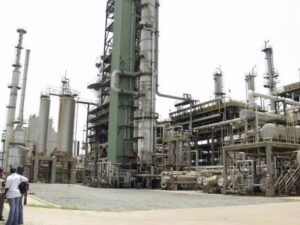
Crude shipments arranged by the trading arm of the Nigerian National Petroleum Company Limited climbed in April, with delivery records showing that more than 1.03 million metric tonnes of crude were supplied to the Dangote Oil and Gas Company Limited during the month.
Tanker movement data shows eight cargoes were routed to the refinery’s offshore discharge points from key Nigerian grades such as Anyala, Bonga, Odudu, Forcados, Qua Iboe and Utapate. Five of the vessels had completed discharge, while three were still in the queue for berthing or final offloading, indicating a steady stream of crude into the 650,000-barrels-per-day facility.
The inflow comes as the refinery continues to require about 19 cargoes monthly to run at optimal levels. Despite this, the latest deliveries signal stronger supply support from NNPC’s trading subsidiary.
Alongside crude intake, the refinery also received blending components and refined products from international markets. Shipments of blendstock gasoline, premium motor spirit and naphtha arrived from Europe and West Africa to support gasoline production, while another large cargo of residue catalytic oil is expected from Asia before month-end.
Additional crude volumes were also sourced from the United States, Cameroon and domestic fields including Ugo Ocha and Escravos, helping to sustain refining operations.
Operational records show most tankers berthed within days of arrival and departed shortly after discharge, reflecting improved efficiency at the refinery’s Single Point Mooring systems.
Located in the Lekki Free Zone, the Dangote refinery is designed to cut Nigeria’s dependence on imported fuel by processing local crude into petrol, diesel, aviation fuel and other petroleum products for the domestic market.
NNPC, through its trading arm, has remained central to the refinery’s crude supply framework under evolving commercial arrangements in the downstream sector.
Earlier in April, President of the Dangote Group, Aliko Dangote, said crude supply from NNPC increased in March, with ten cargoes delivered compared to an average of five monthly since late 2024. He noted that some of the cargoes were paid for in naira while others were settled in dollars under the supply agreement.