Oil and gas workers across Nigeria are celebrating a massive salary boost, as several major companies—including NNPC, Shell, and Seplat—have implemented pay increases of up to 300%, according to the Petroleum and Natural Gas Senior Staff Association of Nigeria (PENGASSAN).
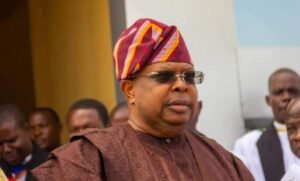
PENGASSAN President Festus Osifo revealed the development while speaking at the 2025 PENGASSAN Women Annual Convention (PWAC) held in Abuja. He credited the wage hike to intense Collective Bargaining Agreement (CBA) negotiations with industry stakeholders in response to Nigeria’s rising inflation and naira devaluation.
“We have engaged in CBAs with these companies and the responses have been tremendous. Some companies have done almost 300%, and many others increased salaries by over 200%,” Osifo said.
He emphasized that the union’s focus was beyond the widely debated national minimum wage of N70,000, highlighting the deeper impact of the naira’s weakening on workers’ livelihoods.
“We are not talking about the minimum wage. What we are facing is the effect of devaluation and inflation on our members’ purchasing power,” he noted.
Osifo, who also serves as President of the Trade Union Congress (TUC), said the union’s effort was a proactive measure to shield its members from Nigeria’s worsening cost of living. He also expressed mixed views on the current administration’s economic policies.
“Macroeconomic policies may look good on paper, but their effects on food prices, education, and healthcare are limited,” he added.
The convention also saw a strong push for women’s leadership in the sector. Maryam Ada Mbanaso, National Chairperson of the PENGASSAN Women’s Commission, vowed to support more women stepping into leadership roles within the energy industry.
“The future is women. The energy industry is women. If the door is closed, we will open it ourselves,” Mbanaso declared.
As oil workers celebrate significant wins in their wage negotiations, many Nigerians in other sectors continue to grapple with stagnant wages amid soaring inflation, underscoring a growing economic divide.