Qatar’s Energy Minister, Saad Al‑Kaabi, has warned that global oil prices could surge to $150 per barrel within the next two to three weeks if oil tankers remain unable to move through the Strait of Hormuz.
Al-Kaabi made the remarks during an interview with the Financial Times on Friday, citing growing tensions in the Middle East that are disrupting key shipping routes used to transport crude oil and gas.
According to him, the situation could worsen if vessels continue to avoid the narrow waterway that links the Persian Gulf to global markets. The Strait of Hormuz is one of the world’s most critical oil transit routes, used by major Gulf producers to ship energy supplies to international buyers.
The warning follows a decision by several major shipping companies to suspend operations through both the Strait of Hormuz and the Suez Canal on March 2. The move came amid escalating security concerns after the United States and Israel carried out military strikes on Iran.
Al-Kaabi said continued disruption to maritime traffic could severely affect energy markets worldwide. He added that natural gas prices could also climb sharply, possibly reaching $40 per million British thermal units, nearly four times higher than the levels recorded before the conflict began.
The minister further warned that energy exporters across the Gulf region may soon declare force majeure if the crisis continues, allowing them to suspend contractual deliveries due to circumstances beyond their control.
Meanwhile, Qatar’s state-owned energy company, QatarEnergy, recently halted liquefied natural gas production after Iranian military attacks targeted facilities linked to its operations. Authorities are still assessing the extent of the damage.
Al-Kaabi said it remains unclear how long repairs will take, but noted that even if the fighting stops immediately, restoring normal export operations could take weeks or even months due to the scale of logistical disruptions.
The regional tensions have also affected energy infrastructure elsewhere. Saudi Arabia’s national oil company, Saudi Aramco, reportedly shut down its Ras Tanura Refinery after debris from an Iranian drone attack caused a fire at the facility.
Global supply concerns are already pushing fuel prices higher in Nigeria. On March 5, the Nigerian National Petroleum Company Limited increased petrol prices at its retail stations to ₦933 per litre in Lagos and ₦960 per litre in Abuja.
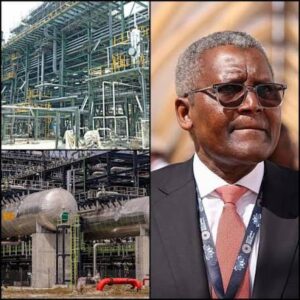
The adjustment followed a price review by the Dangote Petroleum Refinery, which raised its ex-gantry petrol price from ₦774 to ₦874 per litre, further contributing to the rising cost of fuel in the country.