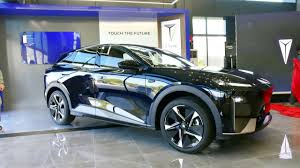
Pakistani car buyers are increasingly opting for pricey hybrid electric vehicles (HEVs), especially SUVs, despite a significant price gap compared to their conventional petrol counterparts—raising questions about the long-term cost-effectiveness of these purchases.
Over the past year, more than 35,000 SUVs priced above Rs 8 million have been sold in Pakistan, with nearly half of the buyers choosing hybrids to save on fuel. But experts say the savings may not add up as expected.
“Pakistani customers are paying significantly more for hybrids, even when the financial payback isn’t guaranteed,” said Syed Asif Ahmed, General Manager, Marketing Division at MG Motors. “A hybrid SUV in the C-segment can cost up to Rs 12 million, while a petrol version of the same category is priced at around Rs 8 million. That’s a 45% premium.”
Ahmed explained that globally, the hybrid price tag is expected to be no more than 10% above petrol variants for the switch to make economic sense. “That benchmark is clearly not being followed in Pakistan,” he said.
MG, which has sold over 16,000 vehicles in the Pakistani market so far, including 2,000 Plug-in Hybrid Electric Vehicles (PHEVs), sees growing interest in advanced mobility options. “Consumers are waking up to the value of PHEVs. They are more suited for urban driving and offer EV-only range for shorter trips,” he added.
Ahmed pointed out that the MG HS PHEV remains the only plug-in hybrid option available to Pakistani consumers. “Despite being a superior technology, it’s priced below many conventional hybrids in the country. We believe this model has set a new benchmark in specs and performance, adapted for Pakistan’s fuel, roads, and weather conditions.”
While HEVs deliver better fuel economy—about 8–10 km per litre more than petrol cars—the financial payback is sluggish. “With a Rs 4 million price difference and a savings of around Rs 35 per km, a customer would need to drive about 115,000 km to break even,” Ahmed said. “That takes more than 7.5 years at an average of 15,000 km per year.”
He also dispelled some myths about hybrid efficiency. “Hybrids are only effective in stop-and-go city traffic. At highway speeds, they perform just like regular petrol vehicles.”
Maintenance costs are similar to petrol cars, meaning the total cost of ownership for hybrids remains higher due to their initial price. “Unless you can recover the premium within three years, a hybrid isn’t a sound investment,” he stated.
Ahmed emphasized that EVs are a better long-term option. “They’re maintenance-free for up to 15 months and completely fuel-free, but the lack of charging infrastructure and high prices are major barriers.”
Looking ahead, MG sees plug-in hybrids as the best transitional choice. “PHEVs eliminate range anxiety while offering EV mode for urban mobility. Right now, they present the best value for money,” Ahmed concluded.