Tensions between Israel and Iran could soon drive fuel prices in Nigeria past the ₦1,000 per litre mark, analysts at Comercio Partners have warned.
In their May macroeconomic report titled “Nigeria’s Inflation Slows in May, But Trouble May Be Ahead,” the analysts projected that worsening geopolitical conflict in the Middle East could trigger global oil supply disruptions, leading to a surge in crude prices.
“For Nigeria, where fuel prices are no longer subsidized and are now tied to international benchmarks, such developments carry serious economic implications,” the report stated.
Despite the operational status of the Dangote Refinery, Comercio Partners pointed out that Nigeria remains vulnerable due to its reliance on imported crude. “Crude remains the primary input, and higher international oil prices translate into more expensive production and distribution,” they noted.
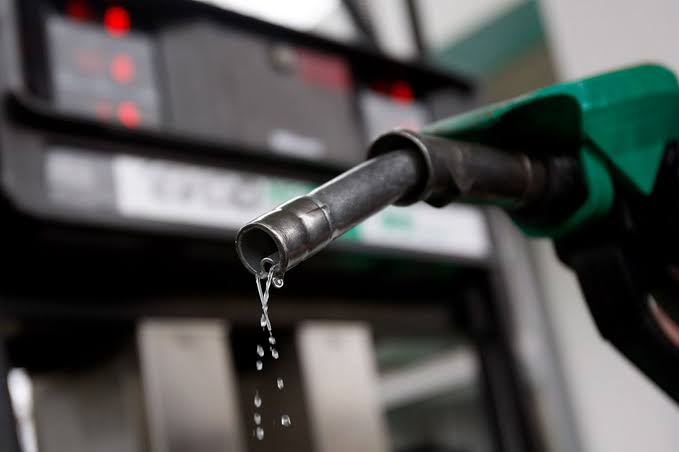
The price of petrol, which is currently around ₦825 per litre, could rise to ₦1,000 if international crude prices continue climbing. “If oil becomes more expensive, the price of petrol in Nigeria could rise to ₦1,000,” the analysts projected.
Brent crude has already surged over 18% in June, rebounding from April lows of $61 to over $75 per barrel, with Nigerian oil blends pushing even higher.
The escalating conflict—which has entered its fifth day—has resulted in over 224 deaths in Iran and at least 24 in Israel, further fueling uncertainty in the oil markets.
The report also flagged broader economic consequences. “A rise in petrol prices will likely translate into higher transportation costs, feeding into broader inflationary pressures,” it warned, adding that climate challenges and insecurity could worsen the situation.
Paradoxically, Nigeria—Africa’s largest oil producer—spent ₦1.19 trillion importing crude oil in Q1 2025, according to the National Bureau of Statistics (NBS). Crude oil ranked as the country’s third-largest import, behind gas oil and motor spirit.
This dependence, analysts say, stems from irregular crude supply to local refineries, pushing operators to turn to more stable international sources.
With oil prices now trading above key thresholds, Nigeria’s economy faces mounting pressure, caught in the crossfire of a conflict thousands of miles away.