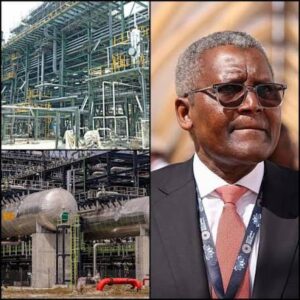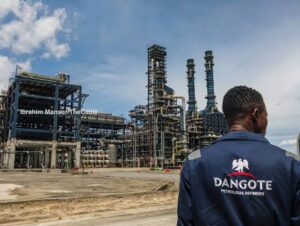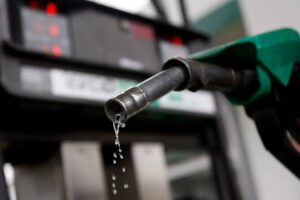
Petrol prices have risen across several parts of Nigeria following an increase in the ex-gantry price of Premium Motor Spirit by the Dangote Petroleum Refinery.
The refinery raised its petrol price from N1,265 to N1,350 per litre, an N85 increase that has prompted several filling stations to review their pump prices.
Following the adjustment, petrol is now selling for between N1,395 and N1,460 per litre at some outlets, depending on location and the cost incurred by individual marketers.
In Abuja, MRS increased its pump price to N1,395 per litre, while NIPCO adjusted its price to N1,430. Mobil outlets also moved their price to N1,400 per litre.
Prices have climbed even higher in Kano, where some stations are selling petrol at N1,460 per litre.
In Lagos, some NNPC retail outlets increased their pump price from N1,295 to N1,380 per litre, while some North-West outlets are selling at about N1,390.
The latest increase has also been recorded in the South-West and South-South regions. Petrol sold for about N1,400 per litre at several filling stations in Ibadan, while prices reached N1,400 in Port Harcourt and N1,385 in Yenagoa.
The latest developments have raised concerns that petrol could approach or exceed N1,500 per litre if international crude prices and the cost of replacing petroleum products remain elevated.
Brent crude recently climbed above $107 per barrel before easing to around $104, with the movement linked partly to disruptions and uncertainty surrounding the conflict involving the United States and Iran.
The increase is coming at a difficult time for households and businesses already dealing with high transportation and operating costs.
Commercial transport operators are also warning that sustained increases in petrol prices could force them to raise fares to cover their expenses.
In Ibadan, a commercial driver said the latest adjustment would put additional pressure on drivers and passengers, particularly as many consumers were already struggling with reduced purchasing power.
The impact is also being felt by businesses that depend on petrol-powered generators, as higher fuel costs increase expenses for electricity generation and transportation.
The Independent Petroleum Marketers Association of Nigeria said the increase is largely connected to developments in the international crude market.
IPMAN National Publicity Secretary, Chinedu Ukadike, attributed the pressure to the crisis around the Strait of Hormuz and urged the Federal Government to ensure that domestic refineries have sufficient access to crude.
He said supplying crude to local refineries at reasonable prices could help reduce the impact of international oil price fluctuations on Nigerian consumers.
Ukadike also pointed to Nigeria’s crude production challenges, including insecurity, which can affect the country’s ability to meet its OPEC production quota.