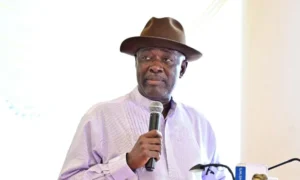
Qatar has unveiled ambitious plans to triple its liquefied natural gas (LNG) trading volumes by 2030, targeting a jump from 10 million tonnes today to between 30 and 40 million tonnes, according to Minister of State for Energy Affairs, Saad Al-Kaabi.
Speaking at the Qatar Economic Forum, Al-Kaabi emphasized the country’s expanding global footprint in LNG, noting that “we’re going to be producing 160 million tonnes of LNG as projects that we’re participating in, if you include the US.” Currently, Qatar produces 77 million tonnes and operates 70 LNG vessels — with 128 more on order.
“We will have plenty to deal with,” Al-Kaabi said, suggesting that not all of the increased volumes will be tied to long-term contracts, leaving significant room for global trading. He added that “up to 50% must be non-Qatari volumes, which is the case today.”
The minister also addressed the broader energy landscape during a panel on global supply and security. He highlighted Qatar’s ongoing partnerships with U.S. energy firms, including involvement in the Northfield East and South projects and two major LNG ventures in the U.S., one of which is the world’s largest export facility.
“We are happy to do deals with US companies as they provide a win-win… for us,” he said. “And in the energy sector, they are 25- [or] 30-year-deals, so they have to survive different administrations.”
Al-Kaabi dismissed concerns over U.S. tariffs, stating there was “no direct” impact, although lower global energy prices could indirectly affect Qatar’s fiscal outlook.
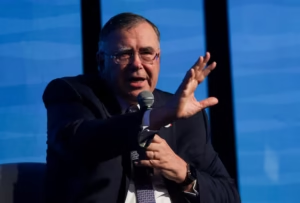
Industry leaders echoed the urgency of ramping up LNG development. ConocoPhillips Chairman and CEO Ryan Lance said the U.S. and Qatar would be key to meeting global demand, which is expected to grow from 400 million to around 700 million tonnes over the next decade.
“It’s going to take a lot of growth – from the US and Qatar,” Lance said.
The Qatar Economic Forum, held under the theme “The Road to 2030: Transforming the Global Economy,” drew over 1,500 global leaders and 120 speakers for three days of high-level discussions, agreements, and cultural events.