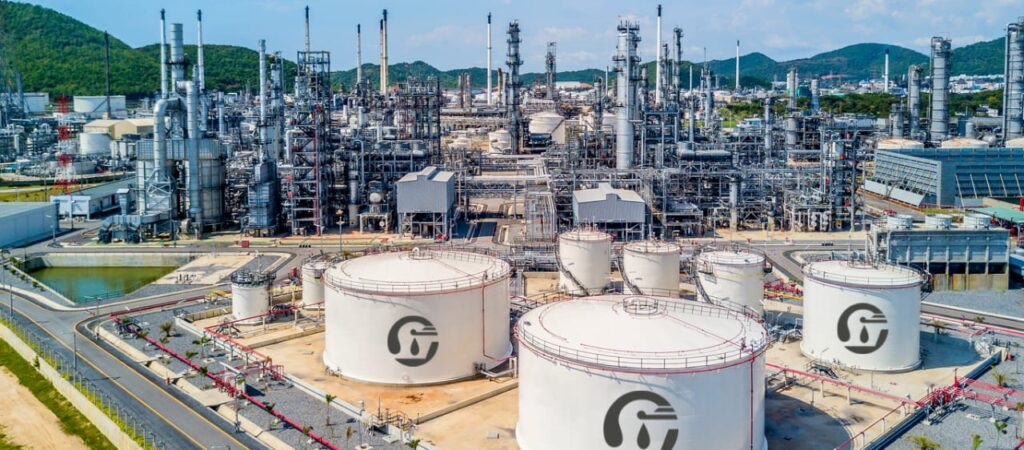
Ghana’s efforts to strengthen domestic fuel production have received a boost as the Sentuo Oil Refinery prepares to process about one million barrels of crude oil sourced from the Jubilee Field.
The move is expected to increase local refining activity, improve fuel supply security, and reduce the country’s dependence on imported petroleum products at a time of heightened uncertainty in global energy markets.
Executive Secretary of the Chamber of Petroleum Consumers (COPEC), Duncan Amoah, said directing locally produced crude to domestic refineries would help Ghana retain more value from its oil resources while reducing the costs associated with importing refined fuel.
According to him, refining crude within the country makes economic sense, particularly as global shipping and insurance expenses continue to rise due to disruptions affecting international energy trade routes.
Amoah described the allocation of Jubilee crude to Sentuo Refinery as a positive step toward strengthening Ghana’s energy security. He noted that local refining could help shield consumers from some of the pressures created by fluctuations in global fuel markets.
He also disclosed that the Tema Oil Refinery is expected to receive a similar crude supply in early July, a development that could ensure a more stable flow of feedstock to domestic refining facilities.
While welcoming the initiative, Amoah called for broader participation in the programme, urging authorities to consider extending crude supply arrangements to smaller modular refineries. He said such support would help expand local refining capacity and provide additional petroleum products needed by industries.
Industry stakeholders believe sustained crude allocations to local refineries could gradually reduce the impact of high transportation and insurance costs on fuel prices. They argue that processing more crude domestically would lessen Ghana’s exposure to external supply disruptions and improve the resilience of the country’s downstream petroleum sector.
Amoah expressed optimism that the policy would continue throughout the year, helping to stabilise fuel supply and ease the burden of rising energy costs on consumers.