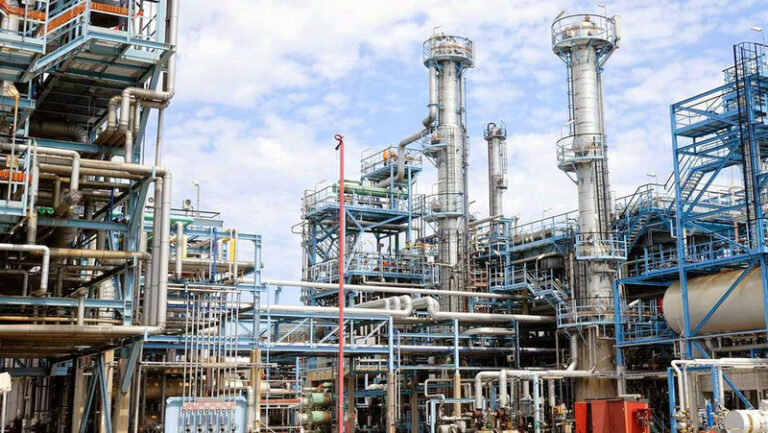
Nigeria is expected to add seven modular refineries to its domestic refining sector in 2027, with the facilities projected to deliver a combined processing capacity of 83,000 barrels per day.
George Maher-Bonnett of Argus Media disclosed this on Wednesday during a presentation at the OTL Africa Downstream conference in Lagos, where he examined developments in Nigeria’s petroleum products market and the changing dynamics of regional fuel supply.
According to his presentation, four modular refineries were operational in Nigeria as of September 2026, with a combined capacity of 32,000 barrels per day.
The seven proposed facilities are expected to increase the country’s modular refining capacity by more than two and a half times the existing level.
However, the presentation did not disclose the names of the proposed refineries, their locations, ownership or individual commissioning timelines.
Maher-Bonnett also highlighted the growing contribution of the Dangote Petroleum Refinery to Nigeria’s domestic fuel supply, noting that its increasing production was improving the country’s self-sufficiency in petroleum products.
He observed that Nigeria’s fuel consumption had declined during the year, attributing the trend largely to higher pump prices.
The presentation further noted that the Dangote refinery, with a nameplate capacity of 700,000 barrels per day, was operating at a high rate and maintaining steady petrol production.
This development, according to the analysis, was reducing the competitiveness of importing certain petroleum products from Europe into West Africa.
Maher-Bonnett also pointed to Ghana’s improving refining capacity, noting that the 45,000-barrel-per-day Tema refinery was increasing output and strengthening the country’s ability to meet domestic demand.
He added that weaker economics and rising freight costs had affected the competitiveness of petroleum product shipments from Europe to both West Africa and the United States.
The anticipated expansion of Nigeria’s modular refining sector comes as increased domestic production continues to reshape the country’s downstream petroleum market.