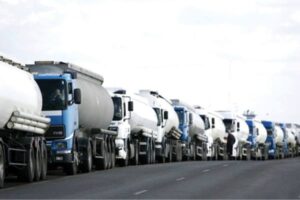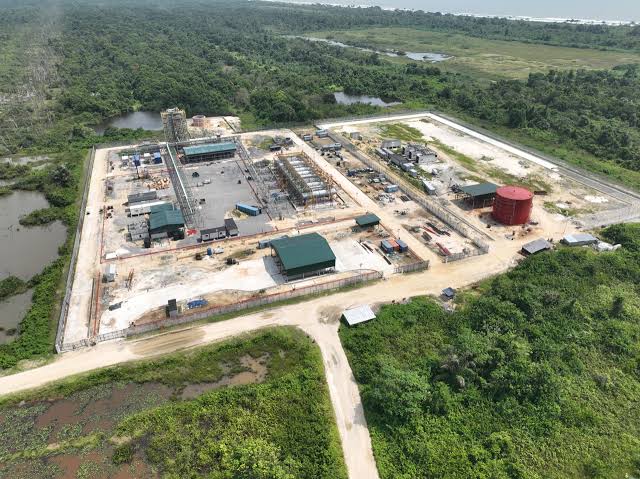
Calls for the Federal Government to privatise Nigeria’s state-owned refineries have grown louder, as key industry players describe the facilities as wasteful and unproductive, despite over $3 billion reportedly spent on their rehabilitation.
The Manufacturers Association of Nigeria (MAN), alongside oil marketers and energy analysts, say the Port Harcourt, Warri, and Kaduna refineries have become major liabilities, draining public funds with nothing to show in return.
MAN’s Director-General, Segun Ajayi-Kadiri, criticised the continued government spending on refineries that have failed to produce fuel for years. He argued that privatising them would attract serious investors, eliminate corruption, and reduce inefficiency.
Oil sector stakeholders, including the Crude Oil Refineries Association of Nigeria, added that the refineries should be sold as scrap, with the proceeds used to support modular refineries, which are seen as more viable and efficient. Eche Idoko, the group’s spokesperson, said the government should no longer bear the burden of maintaining these facilities and suggested it could still retain equity in privately-run plants.
Similarly, Clement Isong of the Major Oil Marketers Association of Nigeria (MEMAN) stressed the importance of handing the refineries to professional managers to create competition for the privately-owned Dangote Refinery. He blamed political interference and unrealistic expectations placed on the NNPC for the poor performance of the government-owned plants.
Financial experts like Ibrahim Tajudeen of Chapel Hill Denham and former Zenith Bank economist Marcel Okeke echoed the call, noting that continued public ownership had proven unsustainable. They supported either full privatisation or a public-private partnership model to revive the refineries.
The situation has become even more controversial as the EFCC investigates over $7 billion allegedly spent on maintenance efforts that yielded no tangible results. The recent shutdown of the Port Harcourt refinery, months after it was declared operational, has only deepened public doubt.
Former President Olusegun Obasanjo also weighed in, recalling past efforts to privatise the refineries that were reversed by later administrations. He said companies like Shell had once refused to manage the facilities, confirming the challenges tied to government control.
With growing frustration over fuel imports and unreliable domestic supply, experts argue that Nigeria must let go of the old model and fully embrace private sector involvement in refining.