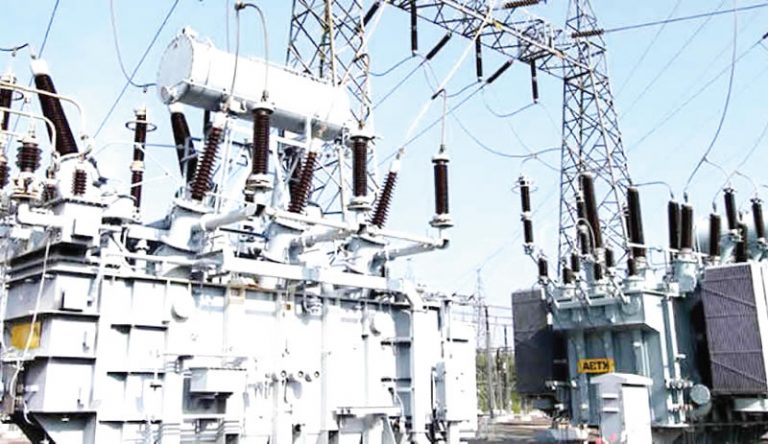
Several Nigerian states are planning to reduce electricity tariffs in their regions, starting with Enugu State. This move has triggered strong reactions from power generation companies (Gencos) and electricity distribution companies (Discos), who warn that the cuts could damage the already struggling power sector.
Enugu State recently announced that it will reduce the Band A electricity tariff from ₦209 per kilowatt-hour to ₦160, effective August 1. The state regulator, Enugu Electricity Regulatory Commission (EERC), says the cut is based on federal government subsidies and a detailed review of operating costs.
But power companies are not convinced. The Association of Power Generation Companies says the tariff is unrealistic and dangerous, especially since the industry is already owed over ₦5 trillion. They claim the supposed federal subsidy doesn’t exist in any official policy and that Enugu’s new rate does not cover the true cost of producing electricity.
Despite the backlash, other states like Ondo, Plateau, and Lagos say they’re also working on reducing electricity costs for their residents. Lagos officials say they are reviewing the numbers and will make an announcement soon. Ondo says it has already started negotiating new power deals and setting tariffs with investors.
However, Ekiti State says it will stick to the national tariff structure for now, so it can continue receiving federal support.
Discos are warning that unless the states are ready to cover the shortfall themselves, the cuts are not realistic. One Disco official said Enugu has set the rate far below the actual cost of power and questioned how the state plans to pay the difference. He added that electricity must be paid for, and no investor will put money into a system where they can’t recover costs.
Enugu’s regulator defended its decision, saying it followed a clear, data-based method and that the current federal subsidy on generation helped make the lower rate possible. However, the commission warned that if the subsidy ends, the tariff may have to increase again.
Experts are divided on the issue. Some say Enugu is taking a risky path by assuming the federal government will keep covering part of the cost. Others say it’s too early to tell and that more clarity will come as the situation develops.
Under the Electricity Act 2023, states now have more control over their power markets. With more of them stepping into regulation, the fight over who sets prices—and who pays the bills—is just beginning.