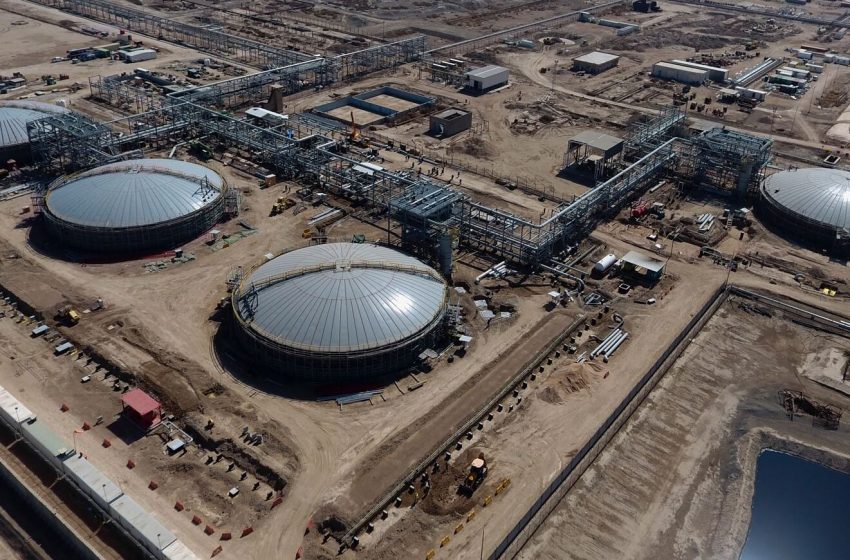
Texas has greenlit what could become the largest natural gas power project in U.S. history, marking a massive push to meet the growing electricity needs of artificial intelligence and data centers.
Pacifico Energy received approval from the Texas Commission on Environmental Quality (TCEQ) for its 7.65-gigawatt (GW) Ranch in Pecos County. If fully built, the facility could generate enough electricity to power multiple mid-sized cities and release up to 33 million tons of greenhouse gases annually nearly 5% of Canada’s yearly emissions.
“This is unprecedented,” said Griffin Bird, a research analyst tracking U.S. gas plants. “Projects of this scale could become some of the largest sources of emissions in the country, if not the world.”
The GW Ranch is part of a surge in gas power projects across Texas. In 2025, nearly 58 GW of new gas-fired generation capacity was announced, surpassing California’s peak power demand. Almost half of this around 40 GW is planned specifically to supply data centers.
Other major projects include Fermi America’s Project Matador near Amarillo, set to produce 6 GW for AI data centers, and Chevron’s first-ever 5 GW power plant in West Texas.
Environmental advocates are warning about the health and environmental risks. Pacifico’s Ranch could emit over 12,000 tons of regulated pollutants such as soot, ammonia, carbon monoxide, and volatile organic compounds annually. Nearby residents, including communities outside San Antonio and in rural Lee County, have raised concerns, but TCEQ has largely approved permits despite opposition.
“Even if only a fraction of these plants reach full capacity, they will still be massive facilities with serious environmental consequences,” said Gabriel Collins, researcher at Rice University’s Baker Institute.
Texas now has 11 gas power plants under construction, over 100 in preconstruction, and another 28 announced. If all are completed, they could more than double the state’s current gas-fired generation capacity.