The governments of the United States and Japan have revealed plans for approximately $36 billion worth of investments focused on oil, natural gas, and critical minerals development as part of a broader economic partnership between the two countries.
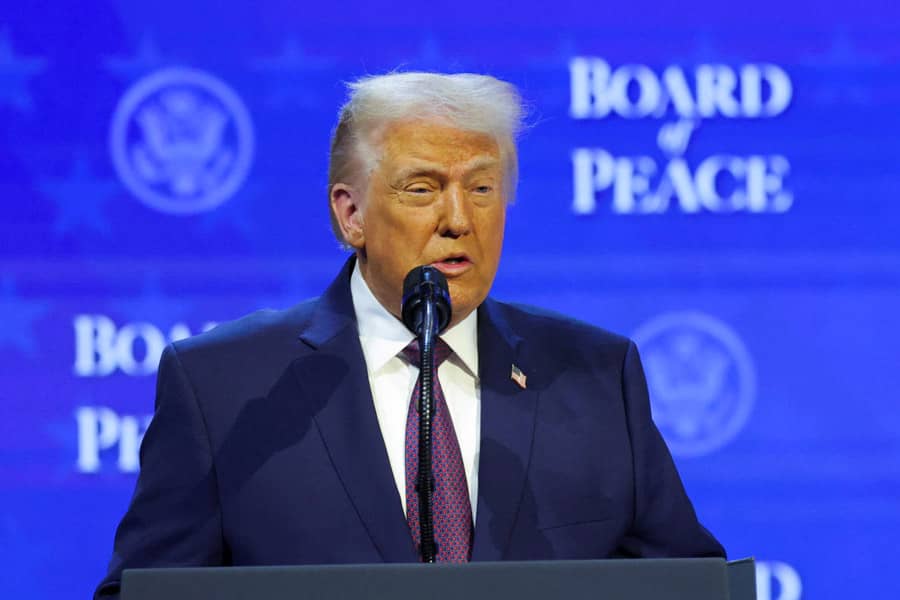
The announcement was made by U.S. President Donald Trump and Japanese Prime Minister Sanae Takaichi, who introduced several large-scale initiatives aimed at strengthening energy cooperation and boosting industrial capacity in the United States.
Among the projects is a major natural gas power facility planned for Portsmouth in the U.S. state of Ohio. According to officials, the plant is expected to become the largest gas-powered electricity generation site in American history, producing about 9.2 gigawatts of power annually. The facility will be managed by SB Energy, a subsidiary of Japanese technology conglomerate SoftBank Group.
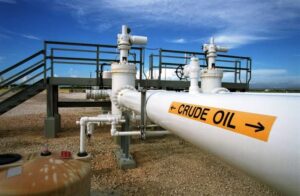
The investment package also includes plans for a deepwater crude oil export terminal off the Texas coastline as well as a manufacturing plant in Georgia dedicated to producing synthetic industrial diamonds. The Georgia facility, estimated to cost roughly $600 million, will supply diamond grit used in advanced manufacturing processes and semiconductor production.
Officials in Washington say the industrial diamond project will help reduce reliance on overseas suppliers for materials considered essential to modern technology and manufacturing. The move aligns with broader U.S. efforts to secure domestic access to strategic minerals and resources.
These initiatives represent the first phase of a much larger investment commitment from Japan, which previously pledged up to $550 billion under a trade arrangement signed with the United States last year. In exchange, the U.S. government agreed to lower tariffs on certain Japanese goods, including automobiles.
President Trump credited tariffs as a key factor in encouraging the scale of Japanese investment, although some economists have warned that aggressive trade policies could contribute to rising inflation in the United States.
The projects were also announced at a time of heightened geopolitical tensions in East Asia, particularly between Japan and China over security concerns surrounding Taiwan. While Prime Minister Takaichi did not explicitly reference China, she indicated that the investments were intended to strengthen economic security and deepen cooperation between Tokyo and Washington.
The focus on critical minerals reflects growing concern among Western governments about dependence on Chinese supply chains. China dominates global production and processing of rare earth elements, which are vital for industries ranging from energy and electronics to automobile manufacturing.
Officials in the Trump administration have repeatedly emphasized the need to diversify supply sources and expand domestic production capabilities. U.S. Commerce Secretary Howard Lutnick said the projects would allow Japan to provide capital while the United States develops infrastructure and strategic industrial capacity.
Despite tensions with Beijing, Japan’s exports showed strong growth earlier this year, rising significantly in January, partly due to increased shipments to China even as diplomatic strains persist.