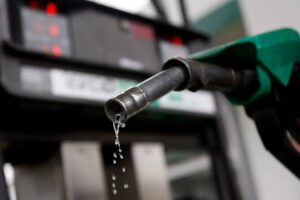
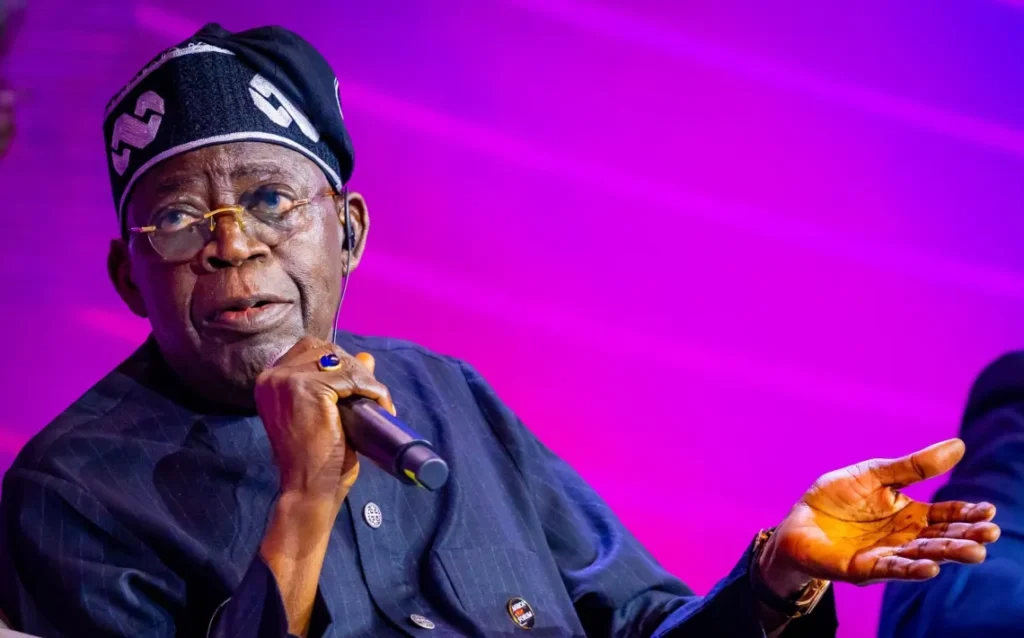
President Bola Tinubu says the Federal Government has waived more than N3.3 trillion in fuel taxes and duties as part of efforts to reduce the financial pressure of rising petrol prices on Nigerians.
The President disclosed this in posts on his X handle, explaining that the tax relief would complement a 30-day decision by NNPC Retail to forgo its profit margin to provide temporary relief to consumers, particularly public transport operators.
Tinubu also said the government was working towards a proposed ceiling of N1,350 per litre on wholesale petrol supply costs to limit price fluctuations and ease pressure on businesses and households.
He acknowledged that higher petrol prices continued to affect families and commercial activities but maintained that the government was pursuing both immediate relief measures and longer-term solutions.
As part of the longer-term strategy, the President highlighted investments in compressed natural gas (CNG) and electric-powered transportation, which he said were helping some commuters spend less on daily journeys.
Tinubu cited the experience of a commuter travelling from Masaka to Berger, whose fare reportedly dropped from N1,500 to N500. He also said some passengers travelling between Enugu and Nsukka now pay N1,600 instead of N4,000.
The President added that more than 120,000 vehicles had been converted from petrol to CNG, with over 400 certified conversion centres and more than 90 CNG stations established nationwide.
He said the government was working with state governments and private investors to expand access to alternative-energy transport, noting that the benefits were not yet available to everyone.
Tinubu also defended his administration’s economic reforms, including the removal of petrol subsidy and changes to the foreign exchange market. He said the reforms had increased government revenues and created more resources for investment in infrastructure and public services.
The President’s comments coincided with the release of the World Bank’s October 2026 Nigeria Development Update, which reported that the economy grew by 4.2 per cent in the first half of 2026, compared with 3.9 per cent during the same period in 2025.
The World Bank projected average economic growth of at least 4.4 per cent between 2026 and 2028. However, it noted that higher global fuel prices had slowed the decline in inflation, while the improvement in economic indicators had yet to fully translate into better living conditions for many households.
Tinubu urged state governors to use increased revenues to improve citizens’ welfare through investments in transportation, healthcare, education and other essential services. He also said targeted cash transfers had reached more than 10 million households.
However, opposition politician Peter Obi questioned whether the 30-day petrol intervention would provide substantial relief to Nigerians. In a statement on X, he described the measure as temporary and challenged the government to explain how it would address wider problems, including poverty, unemployment and rising living costs.
Obi also criticised the implementation of the administration’s economic policies, arguing that their impact on households and businesses required greater scrutiny.
The Federal Government faces the challenge of ensuring that its tax relief, temporary fuel-price measures and investments in alternative transportation translate into sustained reductions in living costs as Nigerians continue to grapple with economic pressures.