A South African traditional leader, Inkosi Zanothando Mtirara, has questioned the country’s high petrol prices after reports showed that motorists in neighbouring Botswana pay about R8 less per litre.
Mtirara, who heads the Mthatha West Traditional Council under the abaThembu Kingdom in the Eastern Cape, said South Africans should benefit more from the country’s natural resources rather than continue to face high living costs.
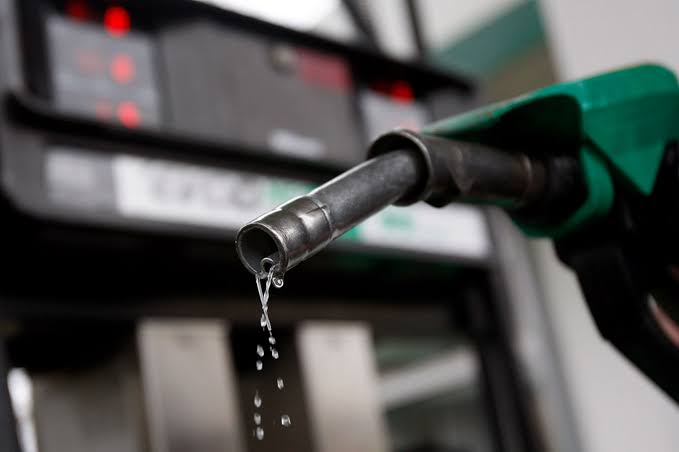
Figures cited in a BusinessTech report showed that a litre of 95-octane unleaded petrol sold for about R21.85 in Botswana, compared with R30.25 in inland South Africa.
The price gap follows a R3.33-per-litre petrol increase in South Africa on October 7, which pushed the inland price above R30. Higher international oil prices, supply constraints and rising shipping costs have contributed to the increase.
Botswana, meanwhile, had kept its retail petrol prices unchanged since July. Differences in fuel pricing policies and taxes between the two countries also help explain the disparity.
South Africa’s petrol price includes a general fuel levy of R4.10 per litre and a Road Accident Fund levy of R2.25 per litre.
Beyond fuel prices, Mtirara called on African countries to process more of their natural resources locally instead of relying heavily on exporting raw minerals. He said expanding mineral processing and manufacturing could create jobs and increase the economic benefits available to local communities.
He identified lithium, platinum, manganese, chrome and cobalt as resources that could support industrial development if more value was added within Africa. He also urged the government to review mining policies and consider restricting exports of selected raw minerals where local processing is possible.
Mtirara further called for traditional leaders to have a stronger voice in decisions about mining on community land. He said mining companies should contribute to local development through employment, skills training, business opportunities and improved infrastructure.
He warned that communities should not remain trapped in poverty and unemployment while companies benefit from the resources extracted from their land.
The traditional leader also questioned whether the BRICS bank was providing sufficient support to member countries facing economic difficulties. He argued that African nations should strengthen their capacity to finance development rather than depend heavily on assistance from the United States and Europe.
He identified unreliable electricity, inadequate infrastructure, limited access to business funding and a shortage of skilled workers as additional barriers to industrial growth.
Mtirara said addressing these challenges would require cooperation among governments, traditional institutions, businesses, workers, universities and communities to build industries that process Africa’s resources and create lasting economic opportunities.