The Nigerian Midstream and Downstream Petroleum Regulatory Authority (NMDPRA) has expressed concern over the country’s slow progress in electricity generation, revealing that power output has increased by only about 500 megawatts over the last two decades.
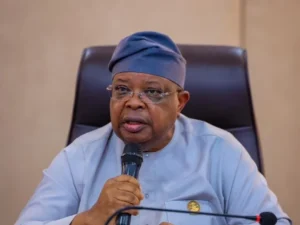
Speaking at the Nigerian International Energy Summit, the authority’s Chief Executive, Engr. Farouk Ahmed, described the situation as disappointing, noting that Nigeria has struggled to move significantly beyond the power generation levels it recorded more than 20 years ago.
According to him, the country celebrated reaching about 4,500 megawatts in the early 2000s, yet current generation still hovers around 5,000 megawatts.
Ahmed explained that Nigeria’s power challenge is not a lack of installed capacity, which he said exceeds 13,000 megawatts, but persistent problems within the energy value chain. He pointed to inadequate gas supply, weak transmission infrastructure, and commercial issues as major factors limiting steady electricity production.
He noted that despite Nigeria’s vast natural gas reserves, many power plants do not receive enough gas to operate at full capacity. This, he said, continues to undermine efforts to improve electricity supply and support economic growth.
The NMDPRA boss stressed that gas remains central to Nigeria’s power strategy and industrial development, urging stronger collaboration between regulators, gas producers, and power companies. He also highlighted the need for improved pricing frameworks, better contract enforcement, and a more transparent gas supply system.
To address these challenges, the regulator said it is implementing reforms such as the gas network code and working closely with the Nigerian Upstream Petroleum Regulatory Commission to ensure domestic gas supply obligations are met.
Ahmed added that resolving payment issues owed to gas producers is also critical to stabilising power generation in the long term.