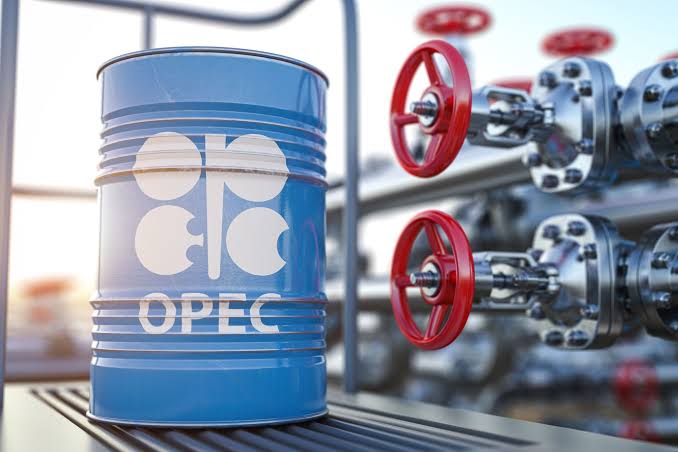
Despite a steep decline in oil prices and sluggish global economic forecasts, OPEC+ has announced it will boost production by 411,000 barrels per day in June.
The move, which surprised many market watchers, highlights shifting dynamics within the powerful oil alliance — and a new strategy driven more by politics and competition than price stability.
At the heart of the decision is Saudi Arabia’s frustration with other members like Iraq, Kazakhstan, and the UAE, who have been ignoring their agreed production ceilings.
“The view from Saudi Arabia, in particular, is that they no longer want to be the ones carrying the heaviest burden,” said Richard Bronze, head of geopolitics at Energy Aspects.
In the past, Saudi Arabia often played the role of market stabilizer by cutting output. But now, with other producers flooding the market, the kingdom is reluctant to continue limiting its own supply while competitors reap the benefits.
Another key factor: demand hasn’t dropped as much as feared. Oil use jumped by 1.2 million barrels per day in the first quarter of 2025, the highest increase in two years, according to the International Energy Agency (IEA).
Still, future demand is uncertain amid rising global trade tensions — one reason why prices have tumbled by nearly 20% since early April.
The U.S. benchmark, West Texas Intermediate, recently fell below $60 per barrel, a danger zone for high-cost producers like American shale drillers. Some experts believe OPEC+ may be using the price drop to pressure these rivals.
“To the extent that OPEC+ cannot or will not reduce output… the burden of shoring up prices will fall on other higher-cost producers,” wrote analysts at S&P Global Commodity Insights.There are also political undercurrents.
Analysts say Saudi Arabia and the UAE may be looking to align more closely with U.S. interests, especially as President Trump prepares to visit the region.
Lower oil prices could help him deliver on promises to cut fuel costs for American consumers — while potentially unlocking concessions in defense or tech partnerships with Gulf states.
Countries like Kazakhstan are also boosting output to meet investor commitments. The Tengiz oil field, operated by Chevron and ExxonMobil, is pumping above its OPEC+ quota — and Kazakhstan says it won’t interfere. “We follow national interests,” its Energy Ministry said.
Ultimately, OPEC+ seems to be betting that market share, strategic leverage, and political alliances matter more right now than propping up prices. The result: more oil on the market, even as prices slide.