Former Labour Party presidential candidate, Peter Obi, has weighed into the controversy surrounding allegations that a former chief executive of the Nigerian Midstream and Downstream Petroleum Regulatory Authority (NMDPRA), Farouk Ahmed, spent about $5 million on the secondary education of his children abroad, saying the funds could have transformed basic education in Nigeria.
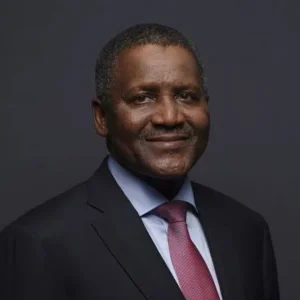
Obi made the remarks in a statement shared on his official X account, following claims earlier raised by businessman and industrialist, Aliko Dangote, who alleged that the former oil sector regulator spent the sum on schooling in Switzerland and called for a full investigation and public explanation.
According to Obi, the debate is not about condemning parents for investing in their children’s education, but about the broader implications of such spending when associated with a public official in a country battling widespread poverty and severe educational deficits.
He noted that at current exchange rates, the alleged $5 million amounts to about N7.5 billion, an amount he said could make a significant impact if invested within Nigeria’s education system. Obi pointed out that Nigeria currently has over 18 million out-of-school children, the highest number globally, making education funding a critical national priority.
The former Anambra State governor explained that with N7.5 billion, Nigeria could construct about 25 school blocks nationwide at an estimated cost of N35 million each, with the capacity to educate roughly 6,000 children every year. He added that each school block could employ about 18 teachers, creating employment opportunities for approximately 450 teachers across the country.
Obi further estimated that with a proposed monthly salary of N125,000 per teacher, the annual wage bill would come to about N675 million. He said that after covering construction costs and first-year salaries, the remaining funds could be invested in government bonds, generating returns sufficient to fund school maintenance, learning materials, utilities, meals, and recurring salaries.
“In practical terms, the amount allegedly spent on the education of four children could establish a self-sustaining education system that educates thousands of Nigerian children annually while creating hundreds of teaching jobs,” Obi said.
He stressed that the controversy highlights deeper issues of accountability and moral responsibility in the management of public resources, particularly within strategic sectors such as oil and gas, which play a critical role in Nigeria’s economy.
Obi concluded by reiterating his long-standing position that public office holders must be guided by prudence, transparency, and a strong sense of responsibility to the public, especially in a country facing serious social and economic challenges.