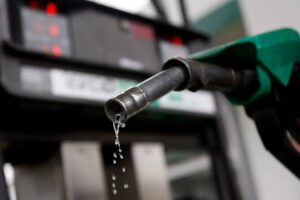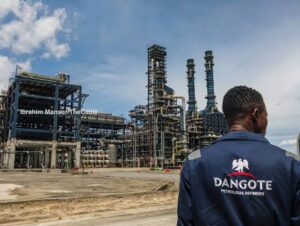
Petrol prices are edging closer to N1,400 per litre in parts of Nigeria following a fresh increase by the Dangote Petroleum Refinery.
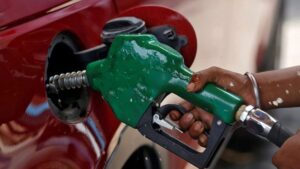
The latest adjustment has pushed the retail price of Premium Motor Spirit to about N1,310 per litre in Lagos and Ogun, while consumers in northern states and other areas farther from the refinery are paying N1,350 or more. Some locations have recorded prices close to N1,400 per litre.
The latest increase came after Dangote Refinery raised its petrol loading price by N65, moving it from N1,200 to N1,265 per litre on August 29.
The refinery has now adjusted its petrol price three times within eight days. It initially moved the price from N1,165 to N1,185 on August 21 before increasing it to N1,200 five days later. The successive changes have added N100 to the refinery’s gantry price since August 21.
The increases have generated concerns among consumers and industry players because they occurred despite a decline in international crude oil prices.
Dangote Refinery, however, said the current global price of crude does not necessarily determine the cost of the crude being processed at the facility.
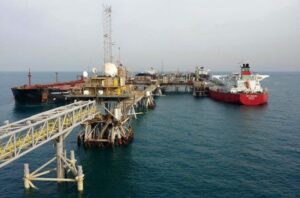
A senior executive of the refinery explained that crude procurement is a lengthy process. From negotiating a purchase to securing a loading slot, arranging a tanker, transporting the crude and getting it into the refinery’s storage tanks, considerable time can pass before the crude is processed.
The executive also pointed to crude already held in the refinery’s storage tanks, saying some of the stock was acquired when international prices were higher. Consequently, a sudden drop in the global benchmark does not automatically translate into a lower production cost for petrol made from existing inventory.
Meanwhile, the impact of the latest increase has spread across the retail market. Apart from the refinery’s selling price, transportation and distribution expenses contribute to higher pump prices in locations far from the coastal facility.
The refinery is also planning to extend its free petrol distribution programme nationwide, a move expected to help reduce some distribution-related costs.
Marketers have expressed concern about the difficulty of operating in an unpredictable pricing environment.
Chinedu Ukadike, spokesperson for the Independent Petroleum Marketers Association of Nigeria, said fluctuations in crude prices, government policies and exchange-rate movements were among the factors affecting petrol prices.
He said the instability was making it increasingly difficult for marketers to plan their operations, adding that further price swings could occur if crude prices remain unsettled.
The latest development has renewed discussions about how international crude prices influence domestic petrol costs, particularly as Nigeria moves towards greater reliance on locally refined petroleum products.