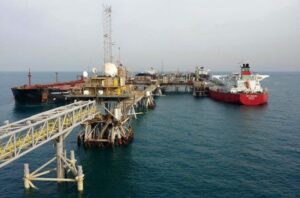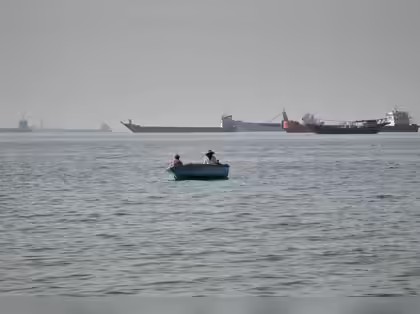
Plans by the United States and Gulf oil producers to expand pipeline networks around the Strait of Hormuz are unlikely to remove the strategic importance of the waterway in the near term, energy experts have warned.
The warning follows new US sanctions targeting Iran, alongside efforts to encourage Middle Eastern oil producers to develop alternative export routes that could reduce their dependence on the Strait.
US Treasury Secretary Scott Bessent had projected that the waterway could become far less important within two years, arguing that a significant share of energy shipments could eventually be redirected through underground pipelines.
Energy analysts, however, say the proposed infrastructure will not be sufficient to replace the huge volumes of oil and gas that normally pass through the strait.
The United Arab Emirates expects a $3 billion pipeline expansion to its Fujairah port to become operational next year. Other major projects, including an expansion of Saudi Arabia’s pipeline network, are expected to take several more years.
According to the International Energy Agency, even after the planned projects are completed, more than 10 million barrels of oil per day could still need to move through the Strait of Hormuz if Gulf exports return to pre-war levels.
David Goldwyn, a former US State Department special envoy, said the additional pipelines would provide only a partial solution. He estimated that new pipeline capacity expected over the coming years could reach between 10 million and 12 million barrels per day, compared with about 20 million barrels that moved through the strait before the Iran war.
Robert McNally, an energy analyst and former US National Security Council official, also rejected the suggestion that the strait would soon become irrelevant.
He described Hormuz as the world’s most important energy chokepoint, noting that much of the Gulf’s oil and liquefied natural gas infrastructure was built around the waterway as the main export route.
McNally also warned that alternative pipelines and expanded terminals could remain exposed to attacks, particularly during an ongoing regional conflict.
The Bab el-Mandeb Strait offers another route for some Gulf energy exports, particularly Saudi oil, but it also faces security challenges. Iran-aligned Houthi rebels in Yemen have previously attacked vessels linked to Saudi Arabia, adding another layer of uncertainty to regional shipping.
Iraq is also exploring alternatives. The country is negotiating with Turkey over a pipeline linking its northern oil fields to the Mediterranean port of Ceyhan. Baghdad is also considering the revival of a pipeline to Syria and discussions over a proposed route connecting southern Iraq to Jordan’s Aqaba port.
However, liquefied natural gas presents a bigger challenge because LNG cannot simply be redirected through oil pipelines. Qatar, one of the world’s leading LNG exporters, remains particularly exposed because of its dependence on regional export routes.
The disruption around Hormuz has already affected global energy markets. Oil prices have at times climbed above $100 a barrel, while analysts expect elevated oil, gas and food prices to persist as supply constraints continue.
Goldwyn said consumers could face higher transportation and food costs, while the IEA has warned that the crisis is affecting supply chains beyond energy, including fertiliser, aluminium and commodities used in healthcare and microchip manufacturing.
The conflict has also renewed interest in renewable energy as countries seek to reduce their dependence on imported fossil fuels. However, analysts say solar and wind power cannot quickly replace petroleum products in transportation, particularly for heavy vehicles and equipment.
Meanwhile, determining the actual volume of oil passing through the Strait has become increasingly difficult. Some vessels have switched off their automatic identification systems to avoid revealing their locations, while access to high-resolution satellite imagery in conflict areas has also been restricted.
These limitations have made it harder for tanker-tracking companies and other observers to establish the full scale of shipping activity through the strategic waterway.