Dangote Petroleum Refinery recorded a sharp turnaround in its financial performance in the first half of 2026, posting a net profit of $1.82 billion as disruptions to fuel supplies from the Middle East boosted demand for its products in Europe.
The refinery generated more than $13 billion in revenue during the six-month period, compared with a $476 million loss recorded in 2025.
The improved performance was supported by higher production, stronger refining margins and increased exports of diesel, gasoil and aviation fuel to international markets.
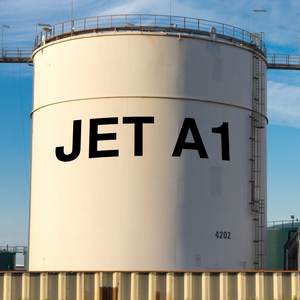
According to Reuters, Dangote Refinery supplied about 80,000 barrels of jet fuel per day to Europe in the second quarter of 2026, accounting for roughly 13 per cent of the region’s lost supply following disruptions in the Middle East.
The shipments made the Nigerian facility Europe’s largest external supplier of jet fuel after the United States during the period.
The supply disruptions significantly tightened Europe’s fuel market, with about a quarter of its usual diesel and jet-fuel supplies affected. Regional inventories subsequently fell to their lowest level in about 12 years.
Dangote Refinery was able to take advantage of the shortage because of its location on Nigeria’s Atlantic coast, which provides relatively direct access to European and other international markets.
The refinery does not require vessels carrying its products to pass through the Strait of Hormuz or the Red Sea, routes that have faced disruptions linked to geopolitical tensions and attacks on shipping.
Beyond Europe, the refinery also increased exports of diesel and gasoil to markets across West Africa as buyers sought alternative sources of supply.
The strong earnings come as Dangote Refinery seeks to raise N2.15 trillion through an initial public offering on the Nigerian Exchange.
The company is offering 4.1 billion new shares at N525 each, with the proceeds expected to support its expansion plans.
Dangote has proposed investing about $14.3 billion to expand the refinery’s processing capacity from 700,000 barrels per day to 1.4 million barrels per day.
The company is also targeting a valuation of between $47 billion and $49 billion and is considering a secondary listing in the United States within four years.
However, the refinery’s recent profitability could face pressure if global fuel supply conditions improve.
A recovery in Middle Eastern exports could increase the availability of diesel and jet fuel in Europe, potentially reducing prices and refining margins.
This means future earnings could depend more on the refinery’s operating efficiency, access to crude oil, production flexibility and sustained demand for its products.
Dangote Refinery can process up to 36 different crude grades, giving it flexibility in sourcing feedstock. Its scale also gives it potential cost advantages over some older refineries.
The planned expansion, however, comes with significant financing and execution requirements, while changes in Nigeria’s regulatory environment and fluctuations in international fuel prices could also affect its performance.
The latest results mark a significant shift for Dangote Refinery, which has moved from focusing largely on Nigeria’s fuel needs to becoming a major exporter to international markets.
The company’s ability to maintain its current level of profitability as global fuel supply conditions normalise will be closely watched by investors as its IPO proceeds.