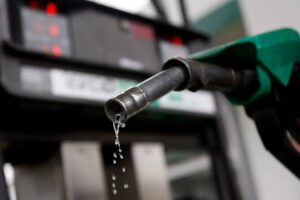
The Nigerian National Petroleum Company Limited has increased the pump price of petrol in Lagos to N1,380 per litre from N1,299.
The latest adjustment is part of a wider increase in petrol prices being recorded across different parts of the country, with filling stations reviewing their rates at varying levels.
In Lagos, some independent filling stations were selling petrol at N1,350 per litre. FVB and Toluwalase filling stations along Iyana-Iba Road were among outlets dispensing at the rate.
Prices in Ogun State also varied. An NNPCL station in Abeokuta was selling petrol at N1,307 per litre, while Fatgbems outlets were charging N1,385 per litre.
The differences in pump prices are partly linked to the timing of stock purchases, as some filling stations still have products bought before the latest price adjustments.
Petrol prices in Abuja have also risen, with NIPCO increasing its rate from N1,350 to N1,430 per litre.
Mobil adjusted its pump price to N1,400 per litre from N1,350, while MRS increased its rate to N1,395 per litre.
An attendant at an MRS station said the outlet was still selling petrol purchased before the latest adjustment and that its price could change when new supplies arrive.
The latest petrol price increases come amid elevated international crude oil prices, with Brent crude trading above $107 per barrel.
Experts warn of inflationary impact
The rising cost of petrol has raised concerns over its potential effect on transportation, production and household expenses.
Economist and development expert Aliyu Ilias warned that higher petrol prices could increase transportation and production costs, with the additional expenses eventually passed on to consumers through higher prices for food and other essential goods.
Former Secretary-General of the Organisation of African Trade Union Unity, Owei Lakemfa, also urged the government to protect Nigerians from the impact of sharp movements in global oil prices.
Meanwhile, the National Publicity Secretary of the Independent Petroleum Marketers Association of Nigeria, Chinedu Ukadike, said filling stations were adjusting their prices in response to changes in supply costs.
He said frequent price adjustments create uncertainty for marketers because the cost of replacing their existing stock can increase before the products are sold.