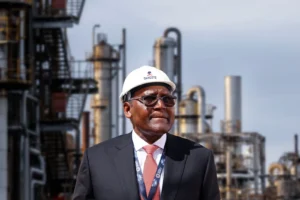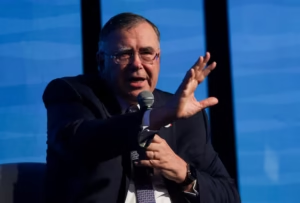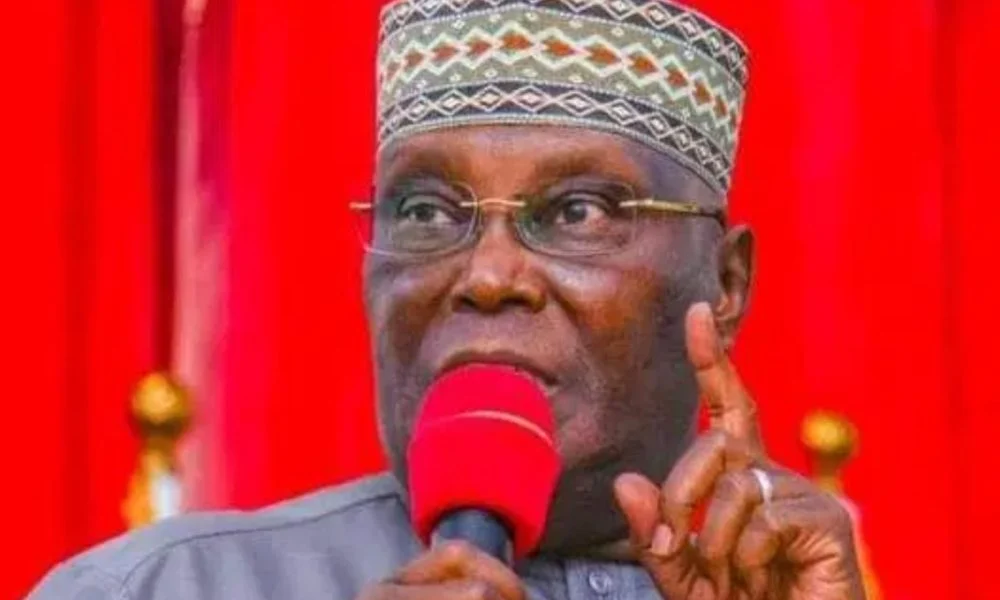
The 2027 presidential candidate of the African Democratic Congress (ADC), Atiku Abubakar, has proposed a targeted fuel production subsidy for petroleum products refined in Nigeria if elected president.
Atiku made the proposal on Thursday during a world press conference to mark Nigeria’s 66th Independence Anniversary.
He said his administration would introduce a capped and budgeted subsidy tied to verified fuel refined within Nigeria, including products from modular refineries.
Atiku said imported petrol would not qualify for the proposed subsidy, adding that the policy would be designed to support domestic refining while helping to reduce pump prices for consumers.
He also proposed that all costs and payments under the programme should be publicly disclosed and independently audited to ensure transparency.
According to him, the subsidy would be structured so that its benefits reach Nigerians through lower fuel prices.
Beyond fuel pricing, Atiku raised concerns about the country’s debt level, saying government should provide details of proposed projects and explain how borrowed funds would be spent before taking on additional debt.
He cited Nigeria’s public debt as standing at N166.79tn as of June and called for greater transparency in government borrowing and expenditure.
Atiku also challenged the Federal Government to provide details of its transportation fare reduction plans announced for October 1.
He said the government should publish the routes covered by the policy, the previous and new fares, as well as the number of Nigerians expected to benefit.
The former vice-president said his proposed economic approach would focus on reducing the financial burden on households while ensuring that government spending and intervention programmes are properly accounted for.
His comments came as Nigerians marked the country’s 66th Independence Anniversary amid continuing concerns over fuel prices, transportation costs, public debt and the wider cost of living.
Atiku said the proposed fuel production subsidy would form part of his broader plan to make essential goods and services more affordable while encouraging investment in domestic refining.