
Ghana has signed a memorandum of understanding for a proposed $28 billion expansion of its Petroleum Hub, featuring a refinery designed to process 300,000 barrels of crude oil per day, alongside petrochemical plants and storage facilities.
The agreement for the project’s second phase, known as Lot Two, was signed in Accra on October 19 by the Petroleum Hub Development Corporation and a consortium led by UAE-based Global Sphere, with investors and technical partners from South Korea and Mali.
The proposed development will also include two petrochemical plants, storage capacity of four million cubic metres and a multi-berth jetty to support the movement of petroleum products.
According to the project’s announcement, initial construction activities are targeted for the first quarter of 2027 in Jomoro, subject to the completion of preparatory work. The development is expected to take about five years.
However, Ghana’s Energy Minister, John Abdulai Jinapor, said key issues, including financing, land acquisition and compensation, must be resolved before the project can progress.
The agreement outlines the proposed investment but does not confirm that financing has been secured. Details of the funding structure, ownership stakes and lender commitments have also not been established.
The project forms part of Ghana’s broader ambition to strengthen domestic petroleum processing and establish the country as a major fuel processing and distribution centre for West Africa.
Petroleum Hub Development Corporation Chief Executive Toni Aubynn said the development could support the government’s industrialisation agenda and its 24-hour economy policy. The project is also expected to create business opportunities for construction companies, engineers, logistics operators and other service providers.
Ghana’s petroleum hub plans predate the latest agreement. In August 2024, the country launched a separate first phase valued at $12 billion, which also included a proposed refinery with a capacity of 300,000 barrels per day.
However, the wider development has faced concerns about commercial viability and the impact of land acquisition on surrounding communities.
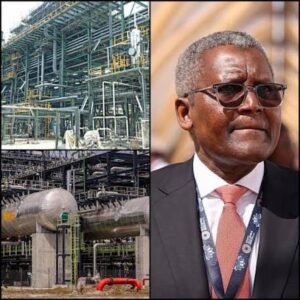
Ghana will also have to contend with changes in the regional petroleum market, particularly the entry of Nigeria’s Dangote refinery, which began commercial operations in 2024 and has increased the availability of locally refined petroleum products in the region.
The commercial success of Ghana’s proposed hub will depend on securing funding, obtaining reliable crude supplies, maintaining competitive processing costs and attracting sufficient demand for its products.
The government has pledged to work with the ministries responsible for finance and lands, as well as the Attorney-General’s Office, to address outstanding land and compensation issues.
Securing financing and resolving these outstanding challenges will be critical to determining whether the proposed $28 billion investment moves from an agreement to actual construction.