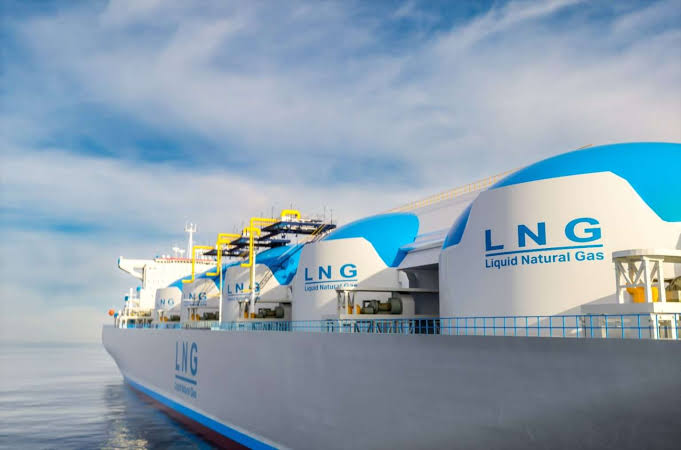
Nigeria is ramping up efforts to supercharge its LNG industry, turning to floating LNG (FLNG) and smaller-scale projects to unlock vast offshore gas reserves and bounce back from production setbacks.
According to Rystad Energy, Africa’s LNG capacity is set to soar from 486 Mtpa in 2024 to 755 Mtpa by 2030, with Nigeria at the heart of the West African push. “Nigeria may need to explore alternative solutions such as floating LNG (FLNG)… to fully capitalize on its gas resources,” said Antonia Syn, commodities analyst at Rystad.
The country, already responsible for over a third of Africa’s LNG output, is targeting a 20 Mt export boost by 2030, despite recent disruptions dragging liquefaction rates down from 90% in 2018 to just 60% last year.
With nearly two-thirds of West Africa’s offshore gas still untapped, Rystad says FLNG could be a game-changer. “These resources are ideal for FLNG technology, being less dependent on vulnerable pipeline infrastructure.”
Nigeria’s strategic location also gives it an edge in global markets, offering faster shipping to Europe and Asia. But with vandalism and oil theft still rampant, experts warn that recovery won’t be easy. “While we expect Nigeria’s LNG exports to recover… they are unlikely to place the country among the top five global exporters in the near future,” Syn added.
Still, with West Africa projected to double its LNG capacity to 50.6 Mtpa by 2035, Nigeria’s gas ambitions are far from running out of steam.