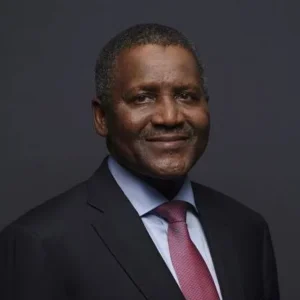
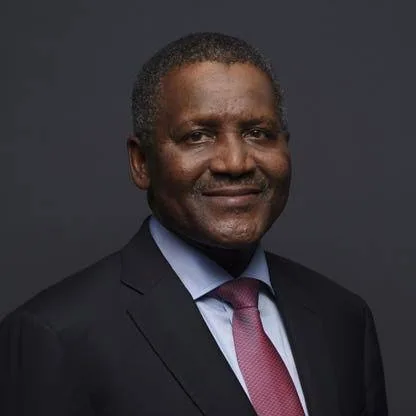
Nigerian billionaire Aliko Dangote has secured a legal victory in Kenya after a tribunal rejected a petition challenging plans for his proposed $16bn oil refinery in Lamu County.
Kenya’s Public Private Partnerships Petition Committee dismissed the case filed by the Consumers Federation of Kenya (COFEK), ruling that the group had not established that the refinery project qualified as a public-private partnership.
The committee also found no sufficient legal grounds to compel the Kenyan government to release documents relating to the investment.
During the proceedings, Treasury Cabinet Secretary John Mbadi maintained that the refinery was a private commercial venture and that the government had no intention of taking ownership of the facility. He added that any government assistance would be available under the same conditions applicable to other eligible private investors.
COFEK had approached the committee in October, questioning the process through which the project received approval. It sought details of the procurement procedure, the government agency responsible for signing the agreement and the legal basis for the approvals granted.
The organisation also requested information about Kenya’s proposed investment in the refinery, including the structure and terms of its planned 10 per cent stake, estimated at about $500m.
It further demanded clarification on a reported 21.5 billion Kenyan shilling allocation, equivalent to approximately $167m, as well as the proposed use of about 7,000 acres of land connected to the project.
The ruling, however, does not bring an end to the legal disputes surrounding the refinery, as two other cases remain before Kenyan courts.
In one of the pending suits, 133 residents of Chandavai in Lamu County are challenging the use of land they identify as their ancestral property. They allege that they have neither received adequate compensation nor been provided with a resettlement plan.
A separate petition by activist Francis Awino is seeking disclosure of the public funds, land, tax concessions and government guarantees expected to support the project. The case is scheduled for mention on November 12.
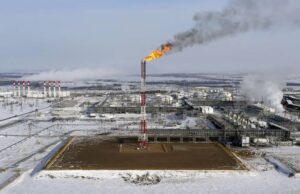
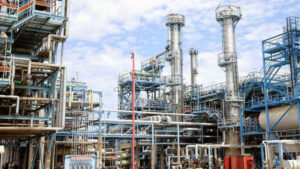
Dangote’s proposed refinery is designed to process 700,000 barrels of crude oil daily, matching the capacity of his refinery near Lagos, Nigeria. The project is also expected to feature a 1,000-megawatt power plant and supply petroleum products to Kenya and neighbouring East African countries.
The refinery is part of Dangote’s broader plan to expand his investments across the region. His group has offered East African countries a combined 30 per cent ownership stake, with Kenya and Rwanda having indicated commitments to acquire shares.
Dangote has projected that construction of the Lamu facility could be completed within 40 months.
The project is expected to reduce East Africa’s dependence on imported refined petroleum products, as countries in the region currently rely heavily on overseas supplies.