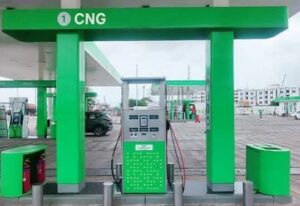
Nearly two years after its launch, Nigeria’s Presidential Compressed Natural Gas (CNG) Initiative is still struggling to take off, with poor infrastructure being the biggest roadblock, according to Mike Osatuyi, former national secretary of the Independent Petroleum Marketers Association of Nigeria (IPMAN).
Speaking to the News Agency of Nigeria (NAN) in Lagos, Osatuyi described the current state of the initiative as “a national embarrassment,” citing persistent queues and inadequate refuelling stations in cities like Lagos and Abuja.
“The initiative’s poor execution has turned it into a national embarrassment,” he said. “There are still long queues at stations in places like Zuba-Kubwa Road and Abuja Airport Road. It’s a throwback to the dark days of fuel scarcity.”
Osatuyi, who praised President Bola Tinubu’s push for alternative fuel, warned that implementation gaps threaten to derail the programme’s potential. “If this had started 20 years ago, Nigeria could have cut petrol consumption by 50 percent,” he said, emphasizing CNG’s lower cost, safety, and environmental advantages.
Despite government efforts—including the appointment of a gas minister and a dedicated CNG committee chaired by FIRS chief Zacch Adedeji—Osatuyi said progress is hampered by the lack of conversion centres and insufficient funding.
“The budget allocated for CNG is insufficient to match the growing demand, even as Nigerians grapple with high conversion costs,” he stated.
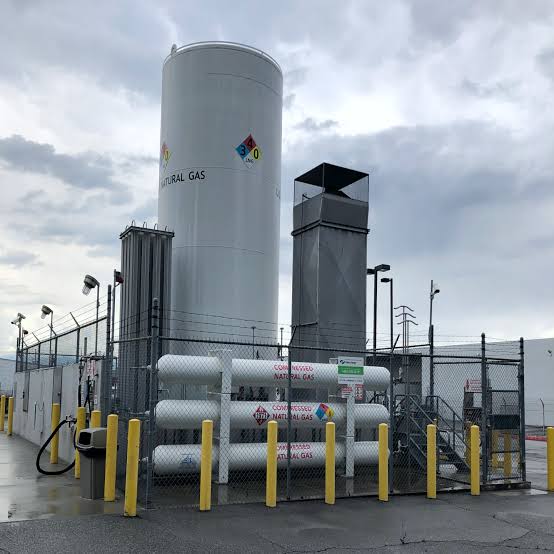
He called on the government to retrofit existing IPMAN stations to dispense CNG alongside petrol and diesel, as practiced in countries like China and India. He also urged greater collaboration with stakeholders to ensure the programme’s success.
“Without proper engagement and infrastructure, the CNG dream will remain just that—a dream,” he said.