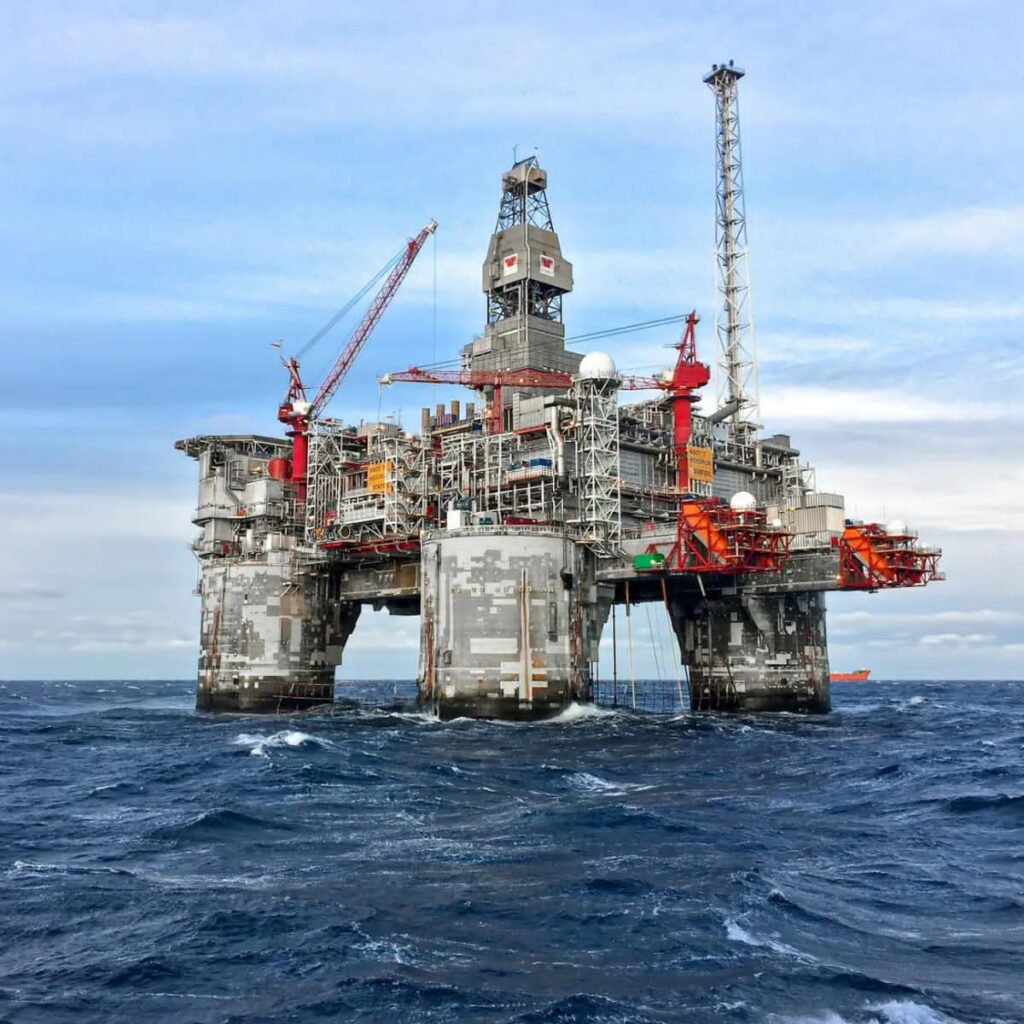
Ivory Coast is laying the groundwork to become one of Africa’s top oil producers, unveiling plans to scale up crude output to 500,000 barrels per day within the next decade. The strategy is part of a broader push to transform the country into a key player in the continent’s energy sector.
Government officials say this long-term goal is being driven by recent offshore discoveries and major infrastructure developments. In addition to crude oil, natural gas production is expected to reach around one million cubic feet per day by 2035.
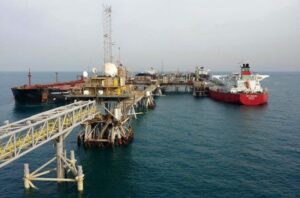
The country is leveraging a wave of momentum fueled by high global oil prices and growing investor interest. Italian energy firm Eni has been a major catalyst, spearheading development at the Baleine field and expanding operations to increase capacity significantly in the coming years.
Negotiations are underway between the government and energy multinationals, including Eni, Vaalco Energy, and Petrobras, for access to offshore blocks. Officials say up to 10 blocks could attract new investment through partnerships with national oil company Petroci.
The outlook is backed by more than $16 billion in expected investments by 2030, which will support not just drilling and production but also the construction of pipelines, tankers, and railway networks.
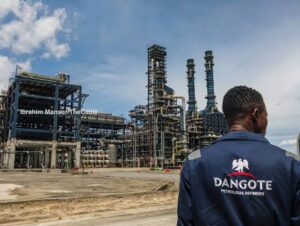
In a separate move to strengthen downstream capacity, U.S.-based Yaatra Ventures has reached a deal with the country’s main refinery operator to build a second large-scale refinery. The multibillion-dollar project is projected to significantly boost the country’s refining output and energy independence.
Ivory Coast, best known globally for its cocoa exports, is now turning its focus toward becoming a central energy hub in West Africa—one well-positioned to meet both domestic demand and regional supply needs in the years ahead.