Nigeria and South Africa are stepping up collaboration to fast-track the integration of Africa’s power networks and push for a more resilient and sustainable energy future for the continent.
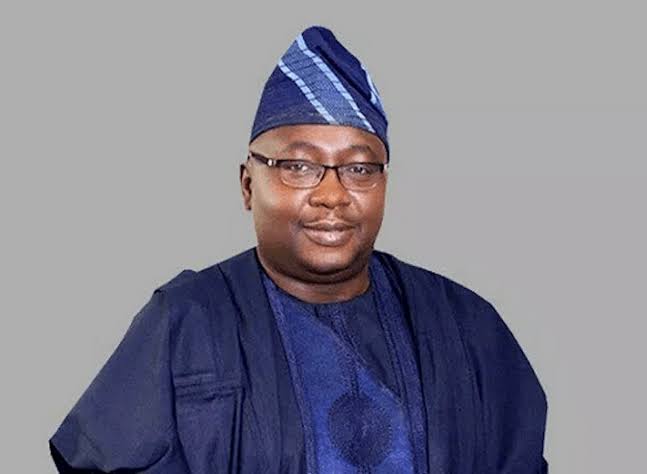
At the 2025 Africa Energy Forum held in Cape Town, Nigeria’s Minister of Power, Adebayo Adelabu, held strategic talks with South African officials and key global energy players. A major highlight of his engagements was a closed-door Ministerial Roundtable, where Adelabu emphasized the importance of solid policy frameworks in achieving meaningful energy transition. He spotlighted Nigeria’s newly adopted National Integrated Electricity Policy, which serves as a roadmap for aligning power generation, transmission, and distribution while accelerating renewable energy adoption and gas-to-power initiatives.
The discussions focused on aligning private sector efforts with national development priorities to ensure swift project rollouts across the continent.
During a panel session on energy transition, Adelabu reaffirmed Nigeria’s dual-track approach: advancing clean energy while still leveraging the country’s vast hydrocarbon reserves. He identified key investment areas including modernizing the national grid, integrating renewables, and promoting decentralized solutions like mini-grids and solar home systems.
“Nigeria welcomes investment across the full energy spectrum from fossil fuels to renewables,” he said, reinforcing the nation’s open-door policy for international investors.
In a bilateral meeting with South Africa’s Minister of Electricity and Energy, Dr. Kgosientsho Ramokgopa, both leaders expressed support for a unified African position in global energy platforms such as the G20. The pair explored joint efforts on market reforms, infrastructure financing via public-private partnerships, and closer collaboration between regional power pools to build a more interconnected and resilient grid system across Africa.
Beyond regional partnerships, Nigeria used the forum to engage international stakeholders. Adelabu met with the UK’s Deputy Trade Commissioner for Africa, Ben Ainsley, to explore stronger UK-Nigeria energy ties. Talks with the International Finance Corporation zeroed in on enhancing support for electrification efforts, both on-grid and off-grid. Further discussions with Canadian representatives and Siemens Energy centered on grid upgrades and trade opportunities.
Adelabu summed up Nigeria’s vision clearly: ensuring energy access, sustainability, and economic growth for both Nigeria and the broader African continent.
“This is a defining moment for Africa’s energy future,” he said. “Through collaboration and innovation, we can light up the continent.”