Iran has announced a new system requiring all vessels passing through the Strait of Hormuz to obtain approval from a newly created maritime authority, a move that is raising concerns across global shipping and energy markets.
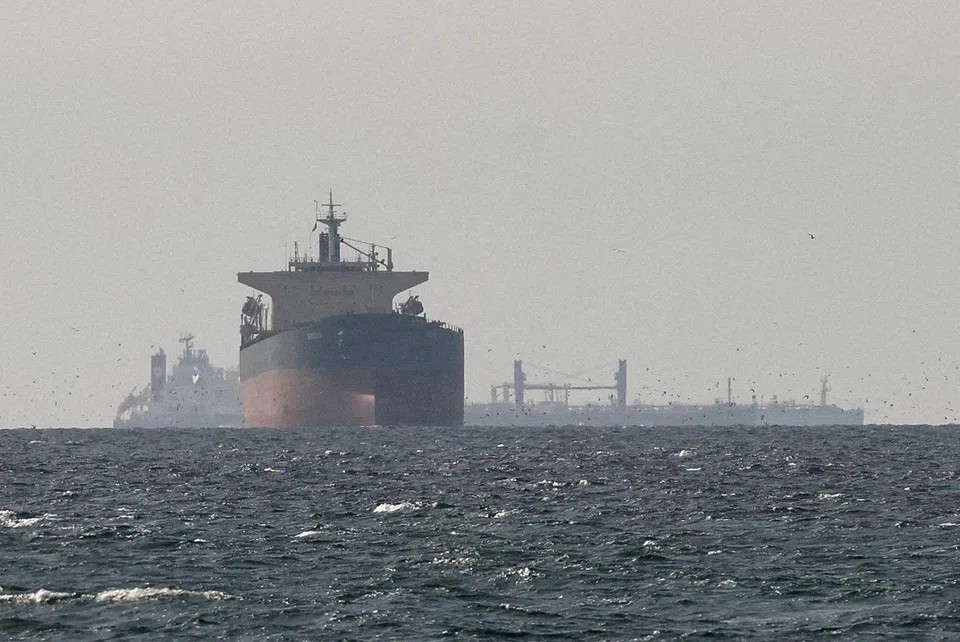
The new body, known as the Persian Gulf Strait Authority (PGSA), was officially introduced by Iranian authorities this week and will oversee traffic through the strategic waterway. The Strait of Hormuz is one of the world’s busiest oil shipping routes, carrying a large share of global crude oil and liquefied natural gas exports.
According to statements released by the authority, shipping operators must now submit extensive information before entering the strait. This includes vessel identification details, cargo information, departure and destination ports, as well as the nationalities of crew members and ship owners.
Iranian officials also warned that any ship entering the designated waters without prior coordination could be treated as operating illegally.
Reports indicate that some vessels have already paid transit charges reaching as high as $2 million per voyage, with some transactions reportedly conducted in Chinese yuan. Tehran has not publicly confirmed an official fee structure.
Iran says the new framework is aimed at managing security and navigation in the waterway, but several countries and international observers have rejected the move. Critics argue that international maritime law protects uninterrupted passage through the Strait of Hormuz and does not allow a single country to impose unilateral control over global transit routes.
The development comes amid rising tensions in the Gulf region and has already affected shipping activity.
Industry data shows vessel traffic through the strait has dropped sharply in recent weeks as shipping companies reassess risks in the area.
Energy analysts warn that prolonged restrictions or higher transit costs could disrupt global oil supply chains and increase pressure on international fuel prices, especially for countries heavily dependent on Gulf energy exports.