The Nigerian government has successfully converted over 100,000 petrol-powered vehicles to Compressed Natural Gas (CNG) in the past year, marking a major milestone in its move toward cleaner, more affordable energy sources.
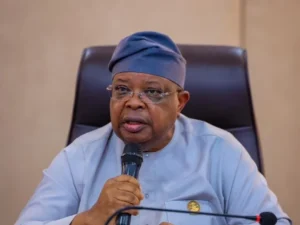
Michael Oluwagbemi, who leads the Presidential Compressed Natural Gas Initiative (PCNGI), made the announcement at a public awareness event in Lagos. He explained that the shift is part of efforts to ease the financial burden caused by the removal of fuel subsidies and to promote sustainable transportation.
Just over a year ago, fewer than 4,000 vehicles in Nigeria ran on CNG. That number has now surged to almost 100,000, thanks to a growing awareness among the public and increasing investment from private companies.
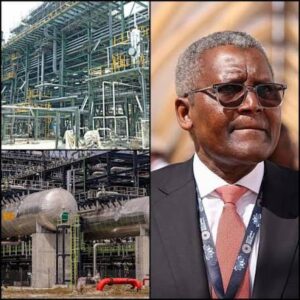
Oluwagbemi pointed to major players like the Dangote Group, which recently introduced 4,000 CNG trucks, as examples of how the private sector is embracing the shift. In total, more than $1 billion has been invested in the CNG space, with contributions from firms like Arita LNG, Femadec, Greenview, and Greenville.
Infrastructure has expanded rapidly too. The country now has 265 vehicle conversion centres, up from just seven last year. CNG refuelling stations have also increased from 20 to 60, with another 100 set to open soon. These developments have generated over 10,000 jobs across the country.
Addressing safety concerns, Oluwagbemi said CNG is significantly less explosive than petrol or diesel, adding that most reported accidents have involved traditional fuels rather than CNG.
He emphasized the broader benefits of the initiative, noting that lower transport costs are starting to reduce the price of food items in some areas, especially where CNG-powered trucks are now used to move goods.
The next goal for the programme is to convert 250,000 more vehicles with help from both public and private partners.
Babatunde Karim, an official from the Road Transport Employers Association of Nigeria, welcomed the initiative, saying it has drastically cut fuel costs for transporters. However, he urged the government to improve the supply of gas and necessary equipment.
Oluwagbemi concluded by urging Nigerians to support President Bola Tinubu’s wider energy reforms, saying meaningful progress is underway—even if it takes time.