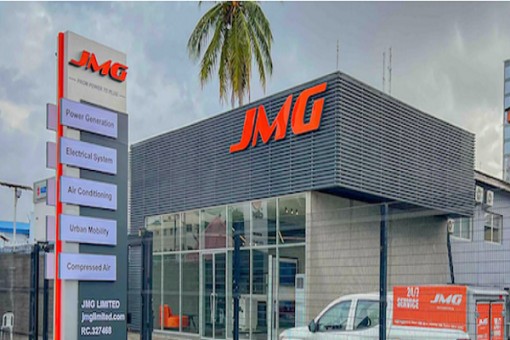
JMG Limited, a prominent provider of electro-mechanical solutions, has restated its dedication to driving innovation in renewable and mechanical energy systems aimed at improving Nigeria’s electricity supply in a more affordable and efficient manner.
This commitment was underscored during the 2025 BusinessDay Energy Conference in Lagos, themed “Powering the States: Navigating Nigeria’s Decentralised Electricity Future.” The event brought together key players in the energy sector, including government officials, private investors, and executives from financial institutions, to discuss ways to improve electricity generation and distribution across the country.
At the event, JMG’s Group General Manager, Rabi Jammal, spoke in favor of a decentralized energy structure, noting that such a system allows individual states to adopt power solutions best suited to their local needs. He pointed out that JMG already offers a wide array of products and services that have helped both private and public entities achieve more stable power supply, including in the area of renewable energy.
Established in 1998, JMG has built strong alliances with top international brands and is well-known for its work in enhancing energy efficiency for homes, businesses, and government facilities across Nigeria.
Lagos State’s Commissioner for Energy and Mineral Resources, Biodun Ogunleye, also addressed attendees, highlighting the impact of the Electricity Act of 2023. The Act, which replaced the 2005 electric power law, grants states the authority to generate and regulate their own electricity, encourages the use of renewable energy, and opens the door for increased private sector involvement.
He applauded JMG’s sponsorship of the event and praised BusinessDay Media’s CEO, Frank Aigbogun, for organizing the conference. Aigbogun pointed out that despite a supposed generation capacity of over 11,000 megawatts, Nigeria struggles to consistently deliver even half of that, due to infrastructure and investment challenges. He stressed the importance of finding sustainable solutions to bridge this gap.
During the panel discussions, speakers acknowledged that state-level energy development is progressing at different speeds, with some states like Enugu making notable progress. However, issues such as regulatory inconsistencies, unclear licensing procedures, and limited investor incentives were identified as obstacles to national growth in the energy sector.
Overall, the conference reinforced the need for decentralized electricity policies, clearer regulatory frameworks, and better financial returns to attract and retain investors willing to support Nigeria’s transition to a more reliable and greener energy future.