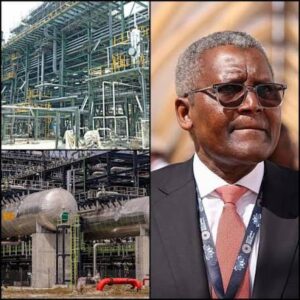
The Alaoji Power Plant, which has been inactive for nearly two years, is expected to resume operations in August 2025. This was confirmed by the Managing Director of the Niger Delta Power Holding Company (NDPHC), Jennifer Adighije, during a courtesy visit to the Nigerian Independent System Operator (NISO) in Abuja.
Adighije said restarting the plant is part of a broader effort to restore idle generation capacity and strengthen national grid supply. She explained that since taking office, the company has focused on improving the availability and performance of its power stations, resulting in over 100% improvement in plant availability in just nine months.
“We’ve been working on optimising both technical and commercial aspects of our operations. Another unit at Omotosho should come online by the end of July, and Alaoji will follow in August,” she stated.
Alaoji 1, which has a 500MW capacity, has not produced electricity in months — a reflection of wider underperformance across NDPHC plants. A recent NERC report noted that although the company has over 5,000MW in installed capacity, many of its power stations are running far below potential, with only Ihovbor 2 reaching near full capacity.
Adighije called for better collaboration with NISO to improve grid access and ensure fairer dispatch decisions. She noted that as a government-run company, NDPHC operates under public procurement laws, which sometimes slow down execution compared to privately-owned GENCOs.
In response, NISO’s Managing Director, Abdul Bello Mohammed, praised the progress made by NDPHC but emphasized the need to address the large gap between available capacity and what is actually being dispatched — currently between 500 and 800MW.
He urged the company to complete integration into the SCADA/EMS system for real-time grid management and stressed the importance of compliance with frequency control standards like the free governor mode. He also highlighted the need to review the merit order dispatch model to remove bias against public-owned power generators.
Mohammed added that integrating NDPHC into the West African Power Pool could create opportunities to export excess capacity and boost revenue.
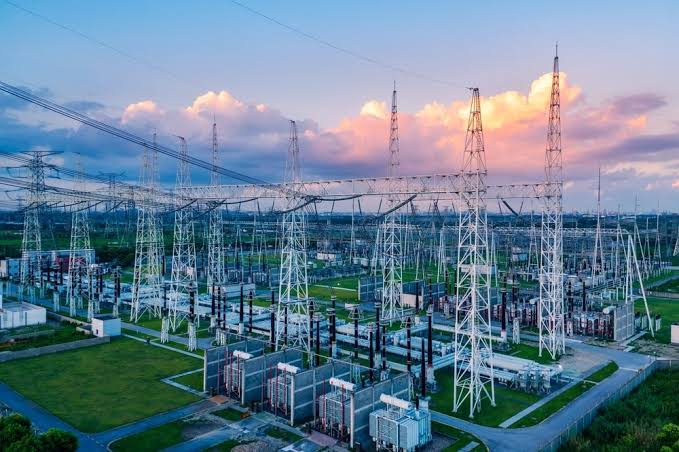
Adighije also pointed out that NDPHC has made significant contributions to national power infrastructure, building over 50 high-voltage substations and adding more than 9,000MVA in transformer capacity.
Both organisations ended the meeting with a shared commitment to deepen cooperation, especially as Nigeria’s power sector continues to evolve under the 2023 Electricity Act.