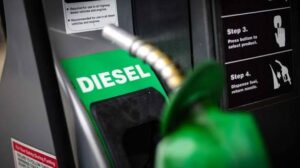
China will lower domestic gasoline and diesel prices from June 5, providing some relief to consumers after months of higher fuel costs driven by rising global oil prices.
The country’s top economic planner announced that retail gasoline prices will be reduced by 525 yuan per tonne, while diesel prices will fall by 505 yuan per tonne. The move marks the second fuel price cut since the start of the Iran conflict, which disrupted global energy markets and pushed crude oil prices higher.
The reduction is expected to ease costs for motorists, with drivers of vehicles using a 50-litre fuel tank projected to save about 20 yuan on a full refill.
Despite the latest cut, fuel prices remain significantly higher than before the conflict. Authorities had previously approved substantial increases in gasoline and diesel prices in response to rising international oil costs. However, the government also intervened on two occasions to limit the size of those increases in an effort to shield consumers from sharp price shocks.
The higher fuel costs have weighed on demand across China. Industry data showed gasoline and diesel consumption recorded steep year-on-year declines in April and May, reflecting weaker demand and the growing impact of alternative energy sources.
Market analysts expect fuel consumption to remain soft in June.
While holiday travel could support gasoline demand, the continued adoption of electric vehicles is expected to limit growth. Diesel demand may see a modest increase during the summer harvest season as agricultural activity picks up, though heavy rainfall in some regions and the use of alternative energy could keep overall demand subdued.
China adjusts domestic fuel prices every 10 working days, using a pricing mechanism that takes into account international crude oil prices, refining costs, taxes, distribution expenses and profit margins. The latest adjustment reflects the government’s effort to balance market realities with consumer affordability.