In a significant step towards easing long-standing tensions, Iraq’s federal government and the Kurdistan Regional Government (KRG) have struck a new agreement that will see the resumption of oil exports from the Kurdish region and the release of overdue public sector salaries.
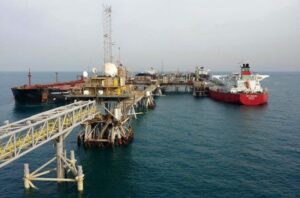
The deal, approved by the Iraqi cabinet during an emergency session on Thursday, mandates that the KRG will immediately start delivering the majority of its oil output—about 230,000 barrels per day—to the state oil company SOMO for international sale. The remaining 50,000 barrels will be retained for domestic use in the Kurdish region.
Baghdad, in turn, will pay the Kurdish region $16 per barrel, a figure previously outlined in federal budget amendments passed last year. This marks a renewed effort to stabilize relations after years of disputes over oil revenue sharing and salary payments for public workers in Kurdistan.
As part of the agreement’s early implementation, Iraq’s Ministry of Finance will release May salaries for Kurdish civil servants—contingent on confirmation that the oil deliveries have arrived at the Turkish port of Ceyhan. Additionally, Kurdistan will send about 120 billion Iraqi dinars (roughly $91.6 million) from its non-oil revenues to Baghdad, with a joint audit team set to oversee and verify future revenue flows.
A three-month plan has also been agreed upon to transition public salary payments in Kurdistan to bank accounts, aiming to improve transparency and accountability.
The oil dispute has long strained ties between Erbil and Baghdad. Since the 2003 U.S.-led invasion, Kurdish authorities have claimed the constitutional right to manage their natural resources independently, a stance the federal government contests. The tension intensified in 2022 when Iraq’s top court ruled the Kurdish oil law unconstitutional and demanded full federal oversight of the region’s oil sector.
Further complications emerged in 2023, when an international arbitration decision halted Kurdish oil exports through Turkey, cutting off vital revenue and worsening Kurdistan’s financial challenges.
This new deal offers a potential reset for federal-Kurdish relations and a lifeline for thousands of public workers in the north who have endured months of unpaid wages. Both sides have expressed hope that the agreement will foster greater cooperation moving forward.