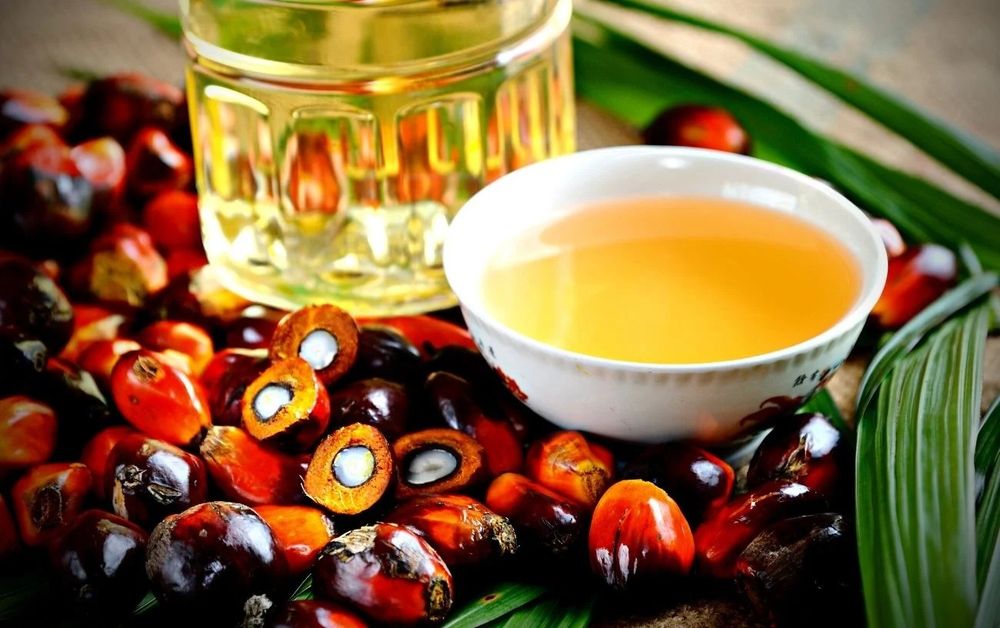
The Nigerian government has introduced a new system to help boost local palm oil production and reduce the country’s yearly spending of over $600 million on palm oil imports.
The system, called the National Palm Oil Traceability Framework, was launched in Abuja in partnership with Solidaridad Nigeria, a development organization. The aim is to make sure every liter of palm oil produced in Nigeria can be traced back to its source — from the farm to the final product — so that it meets global standards for quality, safety, and sustainability.
Speaking at the event, Dr. Marcus Ogunbiyi, who represented the Minister of Agriculture, said Nigeria was once the world’s top palm oil producer in the 1960s. But now, the country produces only a small portion of what it needs, creating a big gap that is filled by imports.
“This new system is a big step towards fixing that,” he said. “If we can trace our palm oil, we can ensure it’s clean, ethical, and good enough to compete internationally.”
Solidaridad Nigeria has already tested the system in four states — Akwa Ibom, Cross River, Enugu, and Kogi — and says it will help farmers, producers, and exporters become more efficient.
Kene Onukwube, a program manager at Solidaridad, said the lack of proper tracking has made the industry less productive. But with this new approach, Nigeria can increase local production, cut down imports, and even export more in the future.
An Inter-Agency Committee has also been set up to lead the project and make sure all government agencies work together to support it.
The hope is that the new traceability system will attract more investment, support small farmers, improve food safety, and bring Nigeria back as a leading palm oil producer.