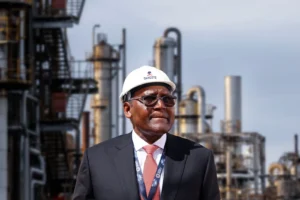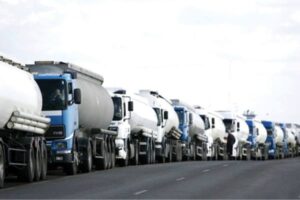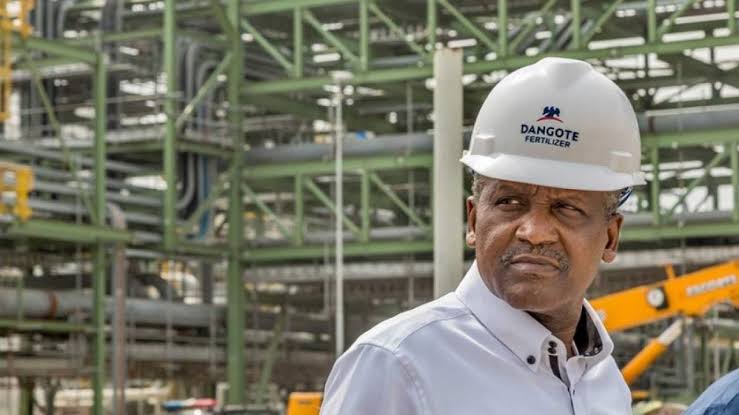
Aliko Dangote has raised concern over Africa’s increasing dependence on imported fuel, warning that the continent is losing about $90 billion each year due to the importation of low-quality petroleum products.
Speaking at the West African Refined Fuel Conference in Abuja, the Dangote Group CEO said most of the fuel entering African markets is substandard and wouldn’t be accepted in Europe or North America. This, he said, is happening because many African countries lack the capacity to refine crude oil locally.
Despite being a major oil-producing region, Africa still imports more than 120 million tonnes of refined fuel annually. Dangote noted that only 40% of what is consumed on the continent is refined domestically, meaning a large share of the refining and related job opportunities are being lost to foreign countries.
To meet its needs, the Dangote Refinery still imports between 9 and 10 million barrels of crude every month from countries like the United States, even though Nigeria produces around 2 million barrels of crude oil daily. According to Dangote, accessing Nigerian crude at fair market prices remains difficult due to middlemen and inflated charges.
He described the process of building the massive Dangote Refinery as extremely demanding, involving the clearing of swampy land, creating a new industrial zone, and setting up a dedicated seaport due to limitations at existing ports. At its peak, the project employed over 67,000 workers, most of them Nigerians.
Despite overcoming technical challenges, Dangote said commercial issues like exchange rate fluctuations, high port fees, and inconsistent fuel standards across African countries are major barriers. He criticized the lack of uniformity in fuel regulations, which makes it difficult to sell Nigerian-refined fuel in neighboring countries.
He also warned about the growing problem of cheap, poor-quality fuel being dumped in Africa, particularly products blended with Russian crude that don’t meet global safety standards.
Dangote urged African governments to protect local refineries and create a more unified market by harmonising fuel standards. He stressed that Africa has what it takes to process its own crude oil and benefit from the jobs and revenue that come with it.