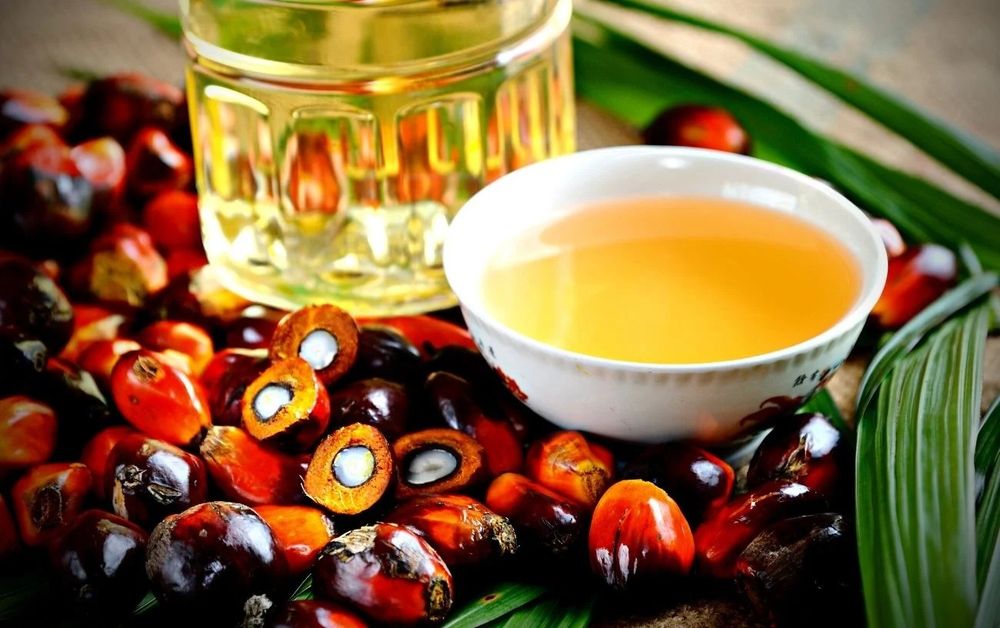
Nigeria is taking a major step toward modernizing its palm oil industry with the launch of the National Palm Oil Traceability System (NaPOTS), a new initiative aimed at improving transparency, product quality, and global competitiveness.
Unveiled by the Minister of Agriculture and Food Security, Senator Abubakar Kyari, the system is designed to track palm oil from the source to the final consumer. This move is expected to reduce product tampering, boost consumer confidence, and attract international buyers. The initiative is also part of the government’s broader strategy to promote food safety, sustainable agriculture, and economic growth under President Tinubu’s administration.
The ministry’s Permanent Secretary, Dr. Marcus Ogunbiyi, revealed that a 16-member inter-agency committee has been formed to guide the implementation. The roadmap will include input from both public and private sector players.
Recognizing that smallholder farmers are responsible for more than 80% of local production, the government says NaPOTS will help them gain access to formal markets, increase earnings, and improve supply chain standards.
At the same time, Malaysia — the world’s second-largest palm oil producer — is expecting a rise in both output and exports in 2025. Authorities project production to reach 19.5 million metric tons, driven by better labor availability and favorable weather. India is expected to remain a top importer, with expanded cultivation and solid demand.
Supporting these forecasts, the USDA noted that Malaysia’s planned cultivation of 5.15 million hectares will likely result in strong output over the next year.
Despite these developments, palm oil futures have recently declined. Prices for October delivery dropped to $1,011 per ton, affected by weaker global oil prices and subdued demand for related products like soyoil and palm olein.
In Nigeria, local industry group POFON (Plantation Owners Forum of Nigeria) is also working to reduce seasonal price volatility. Chairman Emmanuel Ibru said their plan is to narrow the price gap between the peak and lean production periods and help maintain steady supply levels.
Combined, these efforts reflect a growing focus on stability, sustainability, and long-term growth in the global palm oil market — with Nigeria and Malaysia taking different but strategic paths to meet rising demand.