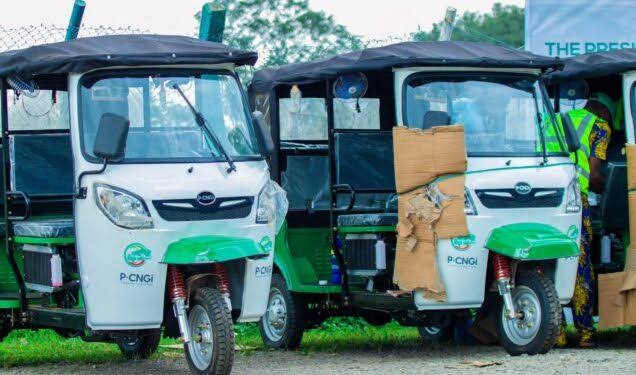
In a major push toward affordable and eco-friendly transportation, the federal government has rolled out 150 Compressed Natural Gas (CNG) tricycles in Kaduna State. This is part of a broader national initiative aimed at slashing transport expenses, generating jobs, and accelerating Nigeria’s shift to cleaner energy.
The programme, known as the TNG Tricycle Initiative, kicked off in May 2024 following the launch of the TNG Assembly Plant in Shagamu, Ogun State. Kaduna is among the latest states to benefit, thanks to its existing CNG refuelling infrastructure.
Mr. Nuhu Christopher, the official in charge of deployment and recovery, explained that the vehicles are provided under a lease-to-own scheme. While each tricycle is valued at ₦5 million, beneficiaries are only required to pay ₦2.5 million over two years, with a one-month grace period.
“This initiative is already reshaping Nigeria’s transport economy. Over 9,000 direct jobs and 75,000 indirect jobs have been created nationwide,” Christopher said. “We’re not just moving people—we’re lifting families and building resilience in communities.”
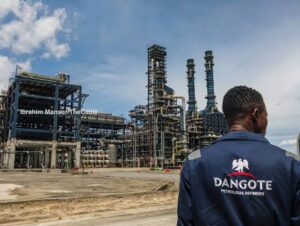
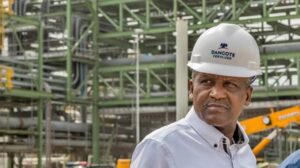
Backing this rollout is a ₦720 billion investment in the gas sector by Dangote Refinery, which has significantly boosted the country’s CNG infrastructure. Officials estimate that this shift could help reduce Nigeria’s annual energy costs by ₦1.7 trillion.
Sani Hassan, National President of the Commercial Tricycle and Motorcycle Owners and Riders Association, welcomed the deployment, calling it a “lifesaver” for operators still recovering from the 2023 fuel subsidy removal.
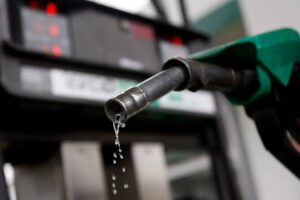
“Before now, drivers spent up to ₦15,000 daily on petrol. With CNG, that’s dropped to ₦2,000–₦3,000. It’s a massive relief,” Hassan noted. He emphasized that the scheme isn’t a freebie—recipients must make regular repayments through the association.
To encourage transparency and accountability, the CNG tricycles are painted in national colours and assigned unique identification codes. Operators are also required to reduce fares by 30% to reflect their lower running costs.
“For example, a trip from Kawo to Central Market that used to cost ₦200 should now be ₦140. Passengers are encouraged to report any overcharging using the contact number displayed on each vehicle,” Hassan said.
The new fleet will cover all traditional routes in Kaduna, except areas with security or regulatory restrictions.
Officials say the CNG-powered tricycles represent more than just a cheaper ride—they’re a symbol of Nigeria’s move toward a more sustainable and inclusive transport system.