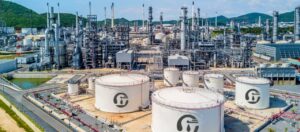
British energy giant Shell has scrapped its plan to complete what was set to be one of Europe’s biggest biofuel facilities in Rotterdam, citing tough market conditions and high costs.
The Rotterdam project, first unveiled in 2021, was designed to turn waste products such as used cooking oil and animal fats into sustainable aviation fuel (SAF) and renewable diesel. More than half of the plant’s capacity was reserved for SAF, which has been promoted as a cleaner alternative to conventional jet fuel.
Shell halted work on the project last year as profitability concerns grew. On Wednesday, the company confirmed it was pulling out entirely, with Shell’s downstream, renewables and energy solutions president Machteld de Haan noting that the venture would not be competitive under current market realities.
The move highlights a broader shift in strategy by Shell and other oil majors, including BP, which have been scaling back on earlier climate pledges to focus more heavily on oil and gas operations—decisions that have drawn sharp criticism from environmental groups.
The European Union has mandated airlines to steadily increase the share of SAF they use, but carriers argue the fuel is still scarce and too costly. Shell had already warned investors last year of a sizeable write-down related to the Rotterdam facility after construction was suspended.
Environmental advocates say the cancellation deals a blow to Europe’s efforts to accelerate cleaner aviation fuel production and cut carbon emissions in line with global climate goals.