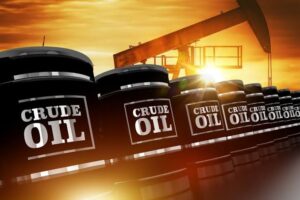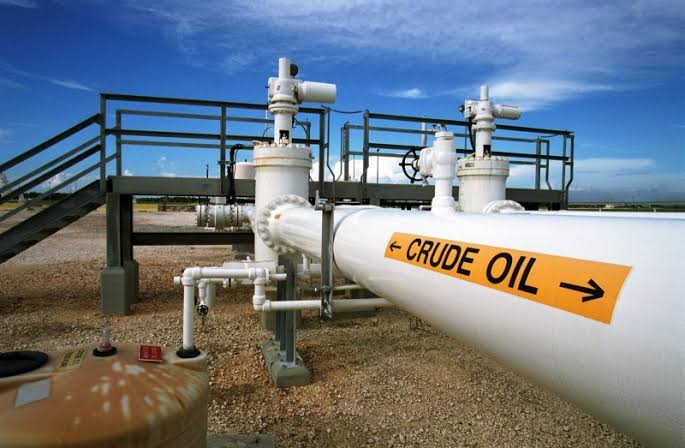
Venezuela is home to the world’s largest proven oil reserves, estimated at 303 billion barrels—more than five times the reserves of the United States. Yet, despite this vast wealth, the country earns surprisingly little from oil exports.
Most of Venezuela’s oil lies in the Orinoco Belt, a massive eastern region containing extra-heavy crude. This type of oil is dense and high in sulfur, making extraction more difficult and expensive compared with lighter crude. Advanced techniques, including steam injection and blending with lighter oils, are required to make it marketable.
Venezuela’s state-owned oil company, PDVSA, manages the majority of production but has struggled for decades with aging infrastructure, mismanagement, and underinvestment. International sanctions have further limited its ability to trade globally. The result: in 2023, Venezuela exported only $4.05 billion worth of crude, far below major producers like Saudi Arabia ($181 billion) and the US ($125 billion).
Historically, Venezuela supplied the United States with up to 2 million barrels of oil per day. That changed after Hugo Chavez’s nationalization of the oil sector in the late 1990s and continued under Nicolas Maduro, whose administration faced increasing US sanctions starting in 2017. Today, China is Venezuela’s largest buyer, along with India and Cuba.
Limited operations by US energy giant Chevron have helped boost output slightly, but strict licensing and trade restrictions have kept revenues low. Recent moves by the Trump administration—including a 25 percent tariff on goods from countries importing Venezuelan oil—have aimed to further curb Venezuela’s global sales, although China continues to import despite the tariffs.
As of September 2025, Venezuela’s oil exports reached around 900,000 barrels per day, marking a nine-month high. Still, this figure is a fraction of pre-sanction levels and far below the potential of the world’s largest oil reserves.
Venezuela’s story illustrates a striking paradox: having the largest oil wealth in the world does not guarantee economic power when political instability, mismanagement, and international pressure hinder production and trade.