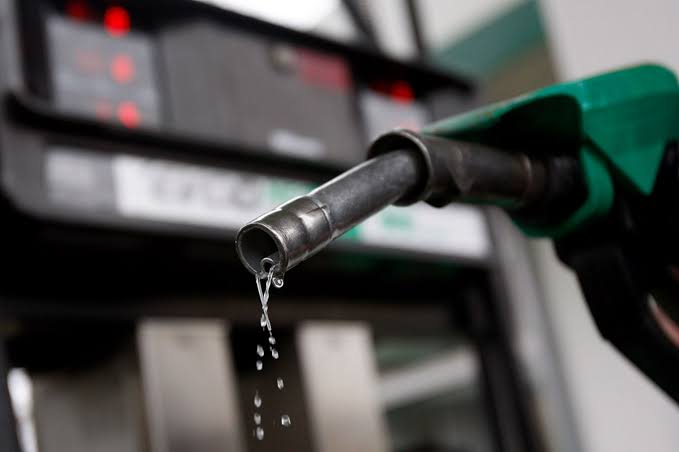
Nigeria’s already fragile economy may face fresh turmoil as the Trade Union Congress (TUC) and key players in the Organised Private Sector (OPS) push back against a proposed five per cent surcharge on petroleum products.
The TUC has warned that it will mobilise workers across the country for a nationwide strike within two weeks if the Federal Government does not withdraw the plan. According to the union, the measure would amount to “economic wickedness” at a time when citizens are already struggling with the effects of subsidy removal, rising inflation and currency devaluation.
TUC leaders Festus Osifo and N.A. Toro said in a statement that Nigerians deserve relief, not further financial strain. They confirmed that the union has begun consultations with civil society groups, professional associations, students, traders and religious organisations to build momentum for what they called “total resistance.”
The levy, which is tied to the Federal Roads Maintenance Agency Act, is designed to provide additional funding for federal and state road agencies. Government officials insist that no official implementation date has been set, but public anxiety has grown amid speculation that the tax could take effect as early as January 2026.
Business Leaders Raise Red Flag
Private sector leaders are equally alarmed. The Lagos Chamber of Commerce and Industry (LCCI) warned that the tax will ultimately be borne by consumers and could further depress fuel demand.
“If it’s added directly to the pump price, it will deepen hardship for households and workers who already rely heavily on public transport,” said LCCI president Gabriel Idahosa. He cautioned that transport operators might exploit the situation to raise fares disproportionately, fuelling broader inflation.
The Association of Small Business Owners of Nigeria (ASBON) also criticised the proposal, calling it an unnecessary burden at a time when many enterprises are closing due to high operating costs. ASBON president, Dr. Femi Egbesola, argued that the government should prioritise tax relief and social safety nets rather than imposing new levies.
Segun Kuti-George of the National Association of Small-Scale Industrialists described the surcharge as “one tax too many,” urging the government to explore innovative revenue options instead of overtaxing citizens.
Concerns About Timing
While some business leaders acknowledged that such a tax may be viable in the future, they stressed that current economic conditions make it unsustainable. With poverty levels rising and fuel consumption already declining, many fear the surcharge could trigger fresh social unrest.
For now, the government maintains that only the finance ministry has the authority to decide when or if the levy will be enforced. But unions and businesses alike are signalling that any attempt to go ahead soon could spark a major showdown.