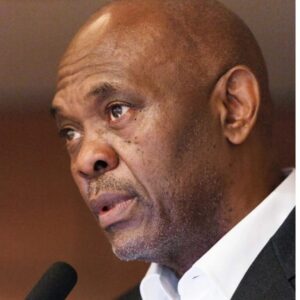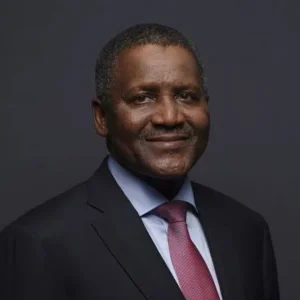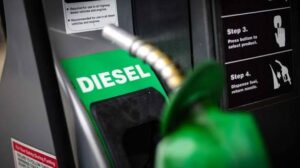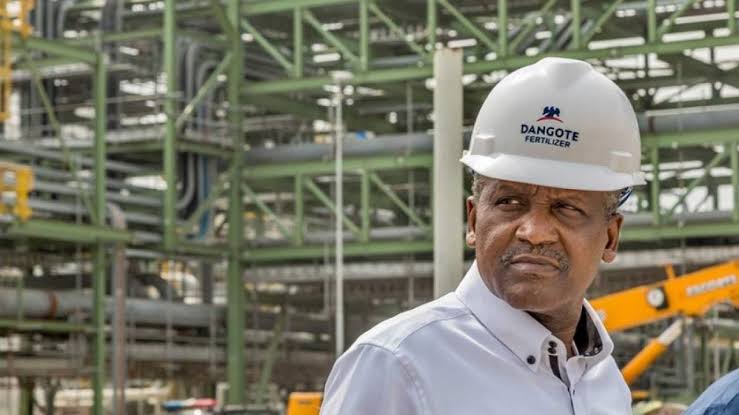
Aliko Dangote, President and Chief Executive of Dangote Petroleum Refinery, says Nigeria’s decades-long battle with fuel scarcity is now history.
Speaking at an event marking one year since the 650,000 barrels-per-day refinery began producing petrol, Dangote declared that queues at filling stations, which have troubled Nigerians since 1975, have disappeared since the facility came onstream in September 2024.
“For 50 years Nigerians stood in lines for fuel, but today we are in a new era,” he said.
A Risk That Paid Off
Dangote admitted the project was one of the riskiest ventures of his life. Industry experts, investors, and government officials warned him that only sovereign states could handle such massive refinery operations. “If the project had failed, lenders would have seized everything I own. But we believed in Nigeria and Africa,” he revealed.
Lower Prices, Wider Reach
Since production began, petrol prices have dropped from nearly N1,100 to around N841 per litre in parts of the Southwest, Abuja, Delta, Rivers, Edo, and Kwara. With thousands of compressed natural gas (CNG) trucks now being rolled out, Dangote expressed confidence that the price reduction will spread nationwide.
The refinery, he noted, has the capacity to meet all of Nigeria’s domestic fuel needs while also boosting foreign exchange earnings. Between June and early September 2025 alone, the facility exported over 1.1 billion litres of petrol.
Creating Jobs, Not Taking Them
Dispelling fears that automation might cost workers their livelihoods, Dangote emphasised that the refinery and its CNG truck operations are creating thousands of jobs.
“We are not displacing anyone. Our 4,000 CNG-powered trucks alone will generate at least 24,000 jobs,” he said, adding that employees earn triple the national minimum wage with benefits such as life insurance, pensions, and full family health cover.
Call for Industrialisation
Dangote also used the anniversary to urge Nigeria to protect its industries from cheap imports and to pursue industrialisation as the only sustainable path to growth.
“Other nations built their economies themselves; outsiders won’t do it for us,” he stressed. “Relying on imports means exporting jobs and importing poverty. If we don’t industrialise, how will investors have the confidence to put their money here?”
He urged the National Assembly to back the Federal Government’s “Nigeria First” policy with legislation that safeguards local industries.
Dangote reaffirmed his vision for Africa’s economic independence, stressing that with the continent’s fast-growing population, self-sufficiency is no longer optional but a necessity.