Prominent Nigerians, led by the Bishop of Sokoto Diocese, Matthew Kukah, have stepped in to help resolve the ongoing conflict between the Dangote Refinery and the Petroleum and Natural Gas Senior Staff Association of Nigeria (PENGASSAN).
The intervention comes after a wave of industrial unrest that disrupted refinery operations and fueled a surge in cooking gas prices. The Group Chief Executive Officer of the Nigerian National Petroleum Company Limited (NNPCL), Bayo Ojulari, linked the recent scarcity and price hike to the standoff between the refinery and the labour union.
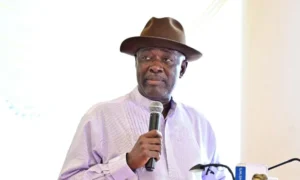
In a joint statement signed by Bishop Kukah and 12 others, the group urged both sides to respect workers’ rights while safeguarding national productivity and investor confidence. They warned that prolonged disputes could send negative signals to investors and stall Nigeria’s industrial growth.
“The Dangote Refinery is more than a private business—it represents what Nigerian investment and innovation can achieve,” the statement said. It noted that the facility’s early output had already eased fuel supply challenges, with petrol prices dropping in some areas.
The group encouraged continued dialogue between management and labour, emphasizing that industrial actions should not jeopardize national progress.
Signatories to the statement include activist Aisha Yesufu, economist Arunma Oteh, investment expert Atedo Peterside, ECOWAS Commissioner Dr. Salamatu Hussaini Suleiman, and former aviation minister Osita Chidoka. Also listed are former Kano Emir Khalifa Muhammadu Sanusi II, academic Abubakar Siddique Mohammed, and Labour Party Women Leader Dudu Mamman Manuga.
They advised that complaints over monopoly or market dominance be handled by regulatory agencies like the Federal Competition and Consumer Protection Commission (FCCPC), not through strikes that affect ordinary Nigerians.
The group commended the Federal Government, PENGASSAN, and the Dangote Group for resolving the matter through dialogue, describing it as a healthy approach for future labour disputes.
Ojulari further disclosed that Nigeria lost about 200,000 barrels of crude oil per day during the strike, underlining the economic cost of the conflict.
The group concluded by calling for stronger cooperation among labour unions, investors, and government to ensure economic stability and restore confidence in Nigeria’s industrial sector.