China is intensifying efforts to strengthen its energy security with a massive $470 billion investment aimed at increasing domestic oil and gas output. The move marks one of the country’s biggest pushes yet to reduce its dependence on energy imports and shield itself from global supply disruptions.
According to the Economic Times, state-owned giants including PetroChina, Sinopec and CNOOC have together spent nearly half a trillion dollars since 2019 to expand exploration and production across the country. The campaign is part of Beijing’s long-term strategy to “hold its energy bowl firmly in its own hands” amid growing geopolitical tensions and fluctuating global oil prices.
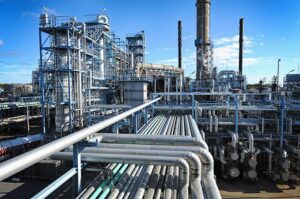
The investments have already led to noticeable progress, especially in offshore fields such as the Bohai Sea region, where output has steadily increased in recent years. Companies are also adopting advanced technologies — including carbon dioxide injection into aging wells — to extract more crude from mature reservoirs.
China, the world’s largest energy consumer and importer, has been particularly vulnerable to external shocks in recent years. By boosting local production, officials hope to limit exposure to global volatility and ensure stable supply even if international markets face disruptions.
Analysts say the country’s growing self-reliance could have ripple effects on the global energy landscape. Reduced Chinese demand for imported oil and liquefied natural gas (LNG) could reshape global trade flows and ease competition among importing nations.
However, experts also caution that despite the record spending, China is still far from energy self-sufficiency. Domestic demand continues to outpace supply, and slower economic growth — coupled with a gradual shift to cleaner energy sources — could eventually flatten demand for fossil fuels.
For now, the government’s message is clear: China intends to rely less on the world and more on its own resources to secure its energy future.