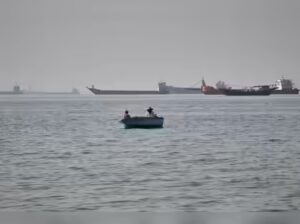
Nigeria’s fuel supply chain is witnessing renewed activity as petrol vessels continue to dock at ports in Lagos and Port Harcourt, boosting national stock levels and easing distribution pressures ahead of the year-end demand surge.
Data from petroleum shipping reports between November 10 and 11 show major downstream operators — including Techno Oil, Ardova, AA Rano, and MOCoh — actively offloading Premium Motor Spirit (PMS) and Automotive Gas Oil (AGO) across terminals. Analysts say the trend signals improved coordination between private depots and the Dangote Refinery’s distribution network.
Industry experts have linked the increased supply to Dangote Refinery’s recent decision to cut its ex-depot price of petrol from ₦877 to ₦828 per litre — a ₦49 reduction, representing a 5.6% price slash. The move marks the refinery’s second downward adjustment in three months, aimed at stabilising domestic supply and supporting marketers amid fluctuating forex and freight costs.
According to port data, Techno Oil’s vessel Oluwajuwonlo discharged 20,000 metric tonnes of petrol in Lagos, while AA Rano’s Lausu and Ardova’s SL Aremu handled 16,000 and 27,500 metric tonnes respectively. In Port Harcourt, MOCoh’s Golden Jasmine offloaded over 10,000 metric tonnes of diesel.
The smooth vessel operations at both ports are expected to sustain fuel availability across key distribution hubs, with more cargoes expected from Matrix Energy, Rain Oil, and Bovas Oil in the coming weeks.
Analysts believe Dangote’s latest price adjustment will further discourage fuel importation — especially following the Federal Government’s 15% tariff on refined imports — giving locally refined products a stronger market edge.
They also note that the refinery’s steady supply to independent marketers has improved turnaround times and distribution efficiency, even as operators continue to manage the impact of foreign exchange volatility.
With additional vessels expected to berth through mid-November, industry players anticipate a stable supply environment and reduced pump price pressures across the country.