The Nigerian National Petroleum Company Limited has set a new deadline of June 2026 to conclude the selection of private partners that will take over technical operations of the country’s state-owned refineries.
The Group Chief Executive Officer of NNPCL, Bayo Ojulari, outlined the timeline on Monday during a media briefing in Abuja, where the company also announced a profit after tax of N5.4 trillion for the 2024 financial year — its strongest performance to date.
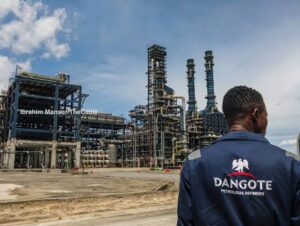
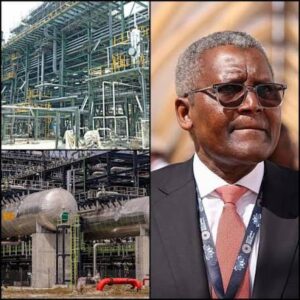
Ojulari said the Port Harcourt, Warri, and Kaduna refineries remain far from meeting international operating standards despite ongoing rehabilitation efforts. He noted that their current configurations would not produce fuels that are competitive locally or internationally, especially when compared with output from the privately owned Dangote Refinery.
He explained that the company is now looking to work only with private-sector operators who currently run functioning refineries and can demonstrate verifiable technical capacity. According to him, the planned partnerships would be structured as purely commercial arrangements, with private operators expected to lead refinery operations while NNPCL contributes complementary capabilities.
Ojulari added that the refineries may undergo major redesigns and could be converted into hybrid facilities to meet global product specifications. A final timeline for completing the rehabilitation, he said, will only be announced once the redesign process is concluded — expected sometime in the second quarter of 2026.
The GCEO noted that if the original rehabilitation plan is followed without adjustments, the refineries would still fall short of global standards and produce fuels below the Euro-V quality currently being delivered by the Dangote plant.
Nigeria’s three state-owned refineries, which have a combined installed capacity of 445,000 barrels per day, have been largely dormant for over a decade despite several billion-dollar rehabilitation attempts. Port Harcourt is undergoing a $1.5bn overhaul, Warri is being revamped in partnership with Daewoo Engineering, while Kaduna requires extensive reconfiguration to handle more complex crude blends.
Ojulari also disclosed that the company is working with partners to raise Nigeria’s crude oil output to 1.7 million barrels per day by the end of 2025, with a target of reaching two million barrels per day by 2027. Improved security, better financing arrangements in joint ventures, and new upstream investments are expected to drive the increase.
He emphasized that NNPCL’s operations are now governed by the Companies and Allied Matters Act under the Petroleum Industry Act framework, giving the firm greater commercial autonomy compared to its previous status as a government parastatal.
According to the GCEO, the company’s long-term plan focuses on strengthening partnerships, deepening transparency, and upgrading staff competencies as part of a wider effort to make NNPCL one of Africa’s most competitive energy companies.