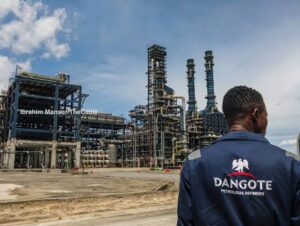
The cost of bringing petrol into Nigeria has dropped below the price offered by the Dangote Petroleum Refinery, following a recent upward review of prices by the Lekki-based facility.
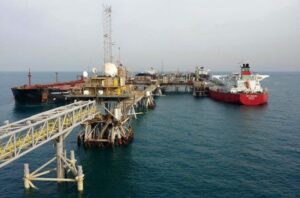
Industry data indicate that the landing cost of imported Premium Motor Spirit (PMS) stood at about ₦728.88 per litre as of last week. This is significantly lower than the new gantry price announced by the Dangote refinery, which was raised from ₦699 to ₦799 per litre.
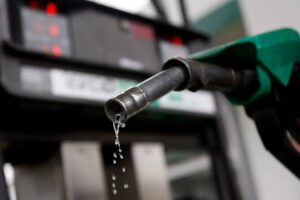
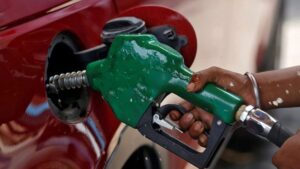
With the adjustment, the refinery’s partner outlets, including MRS filling stations, have also increased pump prices. Checks across several stations on Tuesday showed petrol selling for as much as ₦839 per litre, up from ₦739 recorded earlier in the week.
Explaining the decision, the Dangote refinery said the earlier price reduction introduced during the festive period was temporary and aimed at easing pressure on consumers at a time of increased household spending. According to the company, the latest change reflects a return to more sustainable pricing conditions after the holidays.
The refinery maintained that it remains committed to price stability and uninterrupted fuel supply nationwide. It noted that it had previously absorbed significant costs during successive festive seasons in the interest of market stability, including logistical support in 2024 and price reductions in 2025.
Management of the refinery disclosed that it currently supplies roughly 50 million litres of petrol daily to the domestic market, with distribution operations running normally across the country. It added that the facility’s flexible design allows it to continue producing PMS even during routine maintenance, helping to prevent supply disruptions.
Before the latest adjustment, imported petrol had consistently landed at prices higher than Dangote’s ex-depot rate, making it difficult for fuel importers to compete with locally refined products. This situation had favoured Dangote-backed retail outlets and contributed to a decline in import volumes toward the end of last year.
Official figures show that petrol imports fell sharply between November and December, while supply from the Dangote refinery increased over the same period. Industry sources said the December price cut was largely targeted at the Yuletide season and was never intended to be permanent.
However, reactions within the downstream sector remain mixed. Some industry stakeholders argue that aggressive pricing by the refinery could limit competition if not carefully managed. Retail outlet owners have called for a more level playing field, warning against the risks of market dominance by a single supplier.
The Dangote Group has repeatedly dismissed claims of monopoly, insisting that it supports open competition and that continued importation when local storage tanks are full undermines the domestic refining effort.