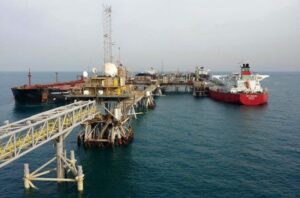
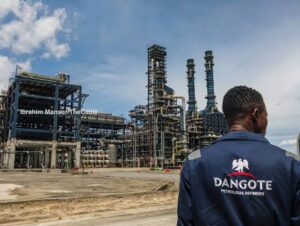
Mexico has paused crude oil shipments to Cuba, President Claudia Sheinbaum confirmed on Tuesday, stressing that the move was made independently and not as a result of pressure from the United States.
Speaking during her daily briefing in Mexico City, Sheinbaum described the suspension as a temporary adjustment linked to normal variations in oil supply. She emphasized that the decision was taken by state-owned energy company Pemex within its contractual arrangements and framed it as a matter of national sovereignty.
Her comments come amid renewed efforts by U.S. President Donald Trump to tighten pressure on Cuba, a long-standing political rival of Washington. Although U.S. officials have not publicly demanded that Mexico stop supplying oil to the island, Trump has openly pushed for Latin American governments to distance themselves from Havana.
Cuba is currently grappling with a severe energy and economic crisis and has depended heavily on oil imports from allies such as Mexico and Russia, especially after shipments from Venezuela sharply declined. Any disruption to those supplies risks worsening fuel shortages across the island.
Mexico has historically maintained supportive ties with Cuba, while also navigating a complex relationship with the United States. Sheinbaum reiterated that Mexico would continue to stand in solidarity with Havana, though she did not spell out what form that support would now take.
Recent data underscores the significance of Mexican oil to Cuba. Pemex previously reported sending close to 20,000 barrels per day to the island during the first nine months of 2025. Energy analysts tracking tanker movements say exports dropped sharply later in the year, falling to roughly 7,000 barrels per day by September.
Despite earlier promises to release detailed figures on current shipments, Sheinbaum has yet to provide updated data. Neither Pemex nor Cuban authorities responded to requests for clarification.
Energy experts say the Mexican president is trying to balance competing pressures: maintaining her government’s pro-Cuba stance while preparing for sensitive trade negotiations with Washington.
That balancing act has become more delicate as the Trump administration presses Mexico to take tougher action against drug cartels, including recent transfers of suspected cartel figures to the United States.
In Havana, news of the halted shipments fueled concern among residents already accustomed to long fuel lines. At gas stations across the capital, drivers waited for hours, uncertain about how the pause might affect daily life.
For many Cubans, the prospect of reduced oil supplies adds another layer of anxiety to an already strained situation, highlighting just how closely the island’s fortunes remain tied to foreign energy support.