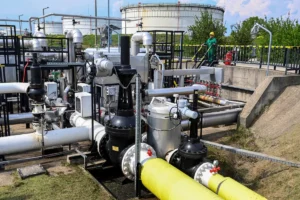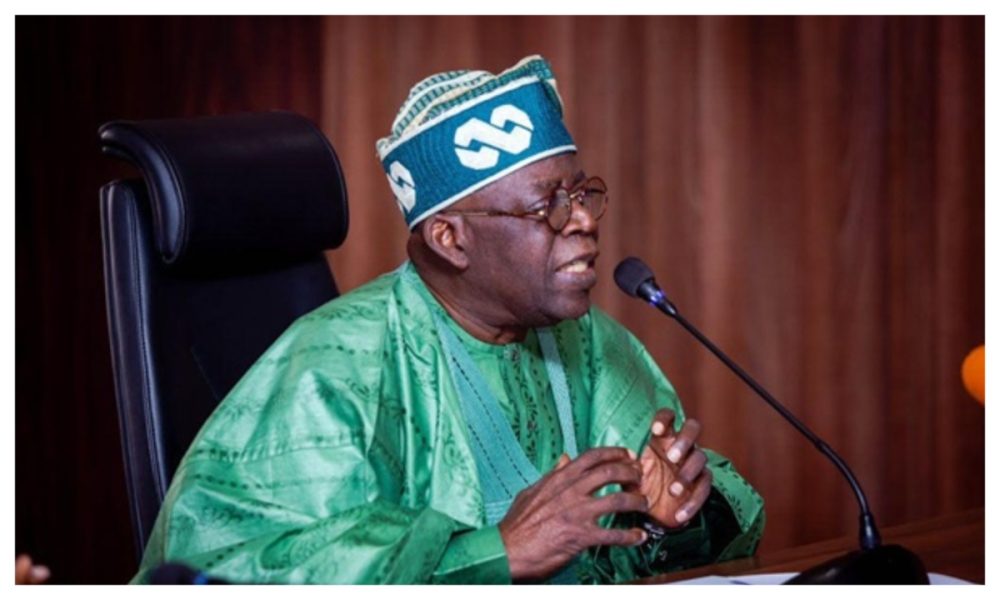
State governments have thrown their weight behind President Bola Tinubu’s Executive Order 9 on oil and gas revenue remittances, while making it clear that the policy is not expected to significantly increase money available to governments.
The Chairman of the Forum of State Commissioners of Finance, Akintunde Oyebode, said the directive would likely add about ₦1.5 trillion to the Federation Account. However, he noted that this amount is modest when compared to annual inflows that can run into tens of trillions of naira.
Speaking on Arise News, Oyebode explained that the executive order is mainly about enforcing constitutional provisions on how federation revenues should be handled, rather than creating a financial windfall for states.
According to him, Executive Order 9, signed in February 2026, requires oil and gas revenues due to the federation to be paid directly into the Federation Account, limiting deductions by agencies before remittance. He stressed that the focus should be on safeguarding public funds and reducing leakages across the system.
The policy has sparked debate within the oil and gas sector, with some labour unions warning that it could unsettle operations and discourage investors. Despite these concerns, Oyebode downplayed fears that the order would negatively affect NNPC Limited, noting that the company’s recent profits and revenue size suggest it can absorb the changes without disruption.
Oyebode also pointed to broader revenue challenges, arguing that some of the biggest losses to the federation may be linked to changes introduced by the Petroleum Industry Act. He said joint venture contributions to government revenue have reportedly declined sharply in recent years, an issue he believes deserves more public attention.
On legal concerns surrounding the executive order, Oyebode said disagreements over its interpretation should be settled by the courts. He added that investor confidence would depend largely on how the policy is implemented, noting that an implementation committee has already been set up to provide clear guidelines.
Beyond the oil revenue debate, Oyebode dismissed claims that states depend on federal handouts, insisting that money in the Federation Account belongs to all tiers of government. He also said many states have reduced their domestic debt levels, while increases in foreign debt figures are largely due to exchange rate changes.
He further maintained that states are not borrowing to fund routine expenses, explaining that most loans are tied to development projects such as water supply, agriculture, environmental programmes and infrastructure, alongside ongoing efforts to improve transparency and public accountability.